A vibrant and diverse tapestry of culture, heritage, and style is what Indian Women’s fashion is about. The defining aspect of Indian women’s fashion is the diversity of traditional clothing that varies across geography.
Salwar Kameez
Image source Karagiri
The history dates to the Mughal era in the 16th to 19th century and consists of tunic and loose-fitting pants. Often has embroideries and embellishments to make it look more elegant. Paired with a dupatta it adds a touch of elegance and can be draped across the shoulder or over the head. The comfort it offers is the key reason that most people prefer to wear the salwar kameez. It is apt for hot and humid climate because of the loose fit of the pant that allows ample movement.
It suits all body types and is versatile to be worn for any occasion. It holds significant cultural and regional significance. The same salwar kameez has different distinctions across geography. For example, in Punjab, it is of vibrant colors and in Lucknow, it has chikankari work.
Sambalpuri ikkat
Image source myntra
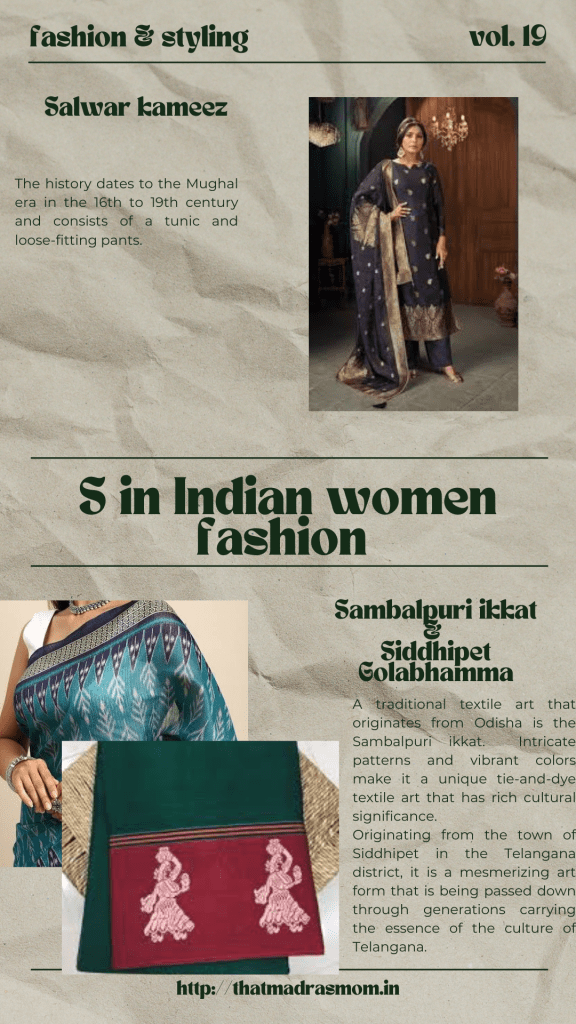
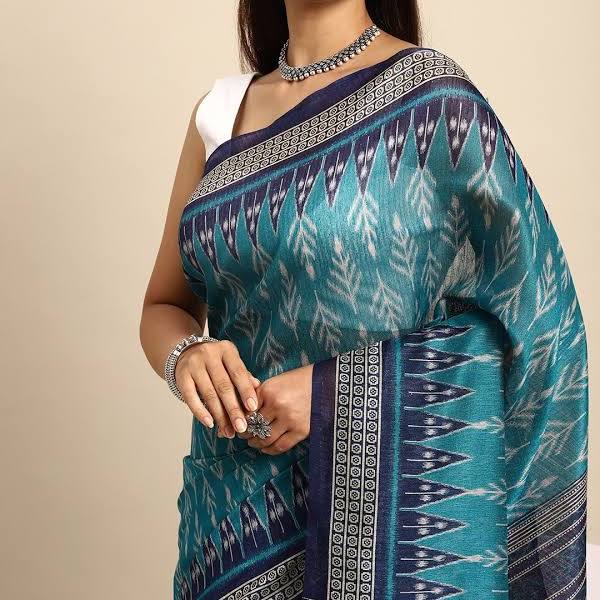
A traditional textile art that originates from Odisha is the Sambalpuri ikkat. Intricate patterns and vibrant colors make it a unique tie-and-dye textile art that has rich cultural significance. It involves a complicated process of resist dyeing that is done before weaving onto the fabric. The process is labour-intensive and requires skill and precision. The intricate patterns have motifs inspired by nature, geometric designs, and symbols depicting tradition. The colors used are vibrant and are derived from natural dyes.
It has a great impact on the economy of the weaving community of Odisha, apart from being of cultural significance. The skill is passed across generations and is a form of livelihood for the people of Odisha, contributing to the socio-economic development of the state.
Siddhipet Golabhamma
Image source Pinterest
Originating from the town of Siddhipet in the Telangana district, it is a mesmerizing art form that is being passed down through generations carrying the essence of the culture of Telangana. Gola bhamma translates to round mother which signifies the round circular motifs that are characteristic of the art form. An eco-friendly and sustainable form of art, it is made using dye from plants, seeds, and minerals.
The circular motifs drawn are by freehand without any template or stencils. The patterns are eye-catching and vibrant depicting subjects from nature, folklore, and mythology.
An ever-evolving industry, the Indian women’s fashion segment is constantly influenced by varying trends that come and go. Not only attire but the material that is used also plays an important role in fashion trends. For example, there is a difference between a cotton saree and a chiffon saree. Each is different on its own, be it comfort, durability, and efforts taken to maintain.
Gathered or pleated strips of fabric that aid volume and give an appearance of a frill is called ruffle and that is now becoming a fashion trend. Right from sarees to gowns to even crop tops, the trend has hopped across categories of garments that aid more grace and elegance.
From sleeves, yokes, hemlines, and even dupattas can have ruffles of various sizes ranging from large to small based on the look or the occasion for which the garment is to be worn. The ruffle adds a touch of femininity to the wearer. Elegant in appearance it tends to highlight the curves. It also adds depth and creates movement when worn.
Image source pinkvilla
This movement and depth make an eye-catching appearance of the outfit. It gives a vintage and bohemian outlook to the outfit. Its ability to be able to incorporate into various fabrics or patterns makes it versatile. While Chiffon, georgette, and organza that is lightweight give a dreamy effect when a ruffle is added, silk, satin, and velvet get a lot of volume when a ruffle is added since they are more structured.
Image source Amazon
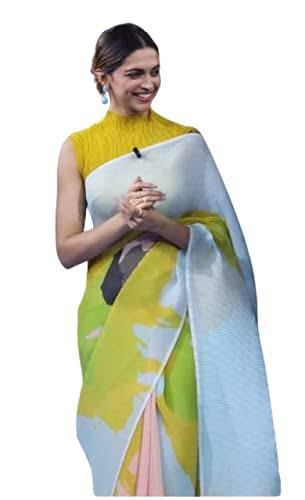
Designers have incorporated the ruffle trend in most Indian attire and it especially gained a lot of traction when Deepika Padukone wore it for Cannes. Her off-white ruffle saree with pearl collar designed by Abu Jani and Sandeep Khosla for the closing ceremony brought this trend alive and much sought-after. Not to forget yet another time when Deepika flaunted a dual-tone ruffle saree to a popular TV show with colors right out of a candy shop was an instant hit that a lot of manufacturers adopted the design to offer it to the masses who wanted to follow their star. If you would want to check out the saree you can buy an affordable one just by clicking here.
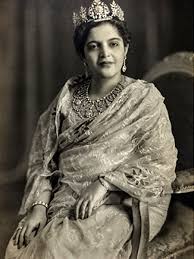
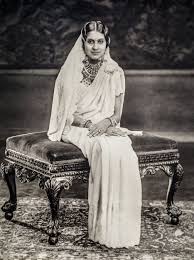
Indian women’s fashion influences are not only by seeing movie stars but going back in history to the period of the Maharanis(Queens) and the princesses. The invasion of the Indian subcontinent by people from far-off places has influenced women’s fashion trends that have become timeless. Though we could say the fashion world is still evolving, yesteryear trends continue to rule the world of fashion.
The influences involved rich and intricate designs on the luxurious Indian fabrics and jewellery trends that remain classic. Indian Royalty has played a major role in setting the benchmarks for fashion trends. Rajkumaris and Maharani’s have shown how to be stylish and elegant.
Maharani Gayatri Devi
Image source Times of India
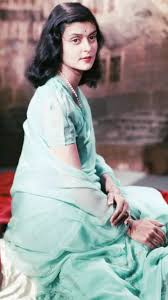
The third Maharani consort of Jaipur, Maharani Gayatri Devi, married to Maharaja Sawai Man Singh II, was known for her love for pearl necklaces, bob cuts, and chiffon sarees. Named by Prestigious Vogue magazine in the list of 10 most beautiful women in the world. Her love for chiffon sarees in pastel hues still stands timeless as it is preferred by women even today. She proved that chiffon sarees with pearl strings make stronger fashion influences than benarasi sarees. Her long-sleeved blouses are still a hit when paired with sarees.
Maharani Tara Devi
Image source Facebook
The pantsuit, with tie and hat, set a new style statement and proved us wrong that Tailored suits came into fashion in the 21st century. A skilled hunter, she was a pioneer in fashion trends introduced by the Maharanis.
Maharani Indra Raje
Image source Wikipedia
Known for her collection of fine silks and neckpieces, it is believed that she was the first to catch the sight of chiffon and was asked to extend the length up to 42 inches to drape as a saree. Her fine taste in fashion was evident from her collection of sarees and neckpieces. Mother of Maharani Gayatri Devi, we now know how the latter got her fashion sense inspired by her mother.
Princess Rafat Zamani Begum of Rampur
Image source Wikipedia
We all thought that the mathapatti trended after we saw Alia flaunting them on her day of marriage, but the Princess brought the trend 60 years back. Known for her heavily embellished lehenga which included beads, diamonds, and even found on her dupatta. The lehenga also had floral motifs which were studded with diamonds. She even wore a diamond tiara.
Maharani Yashoda Devi of Patiala
Image source Facebook
The Maharani adored a ruby choker which is a classic in the field of Jewelry design that was done by Cartier in 1931 and gifted to her by Maharaja Bhupinder Singh of Patiala. The magnificent piece had six layers of ruby studded with diamonds and pearls on the sides.
With a history spanning thousands of years, Indian women’s fashion has evolved over the years incorporating a fusion of traditional and modern styles. Women now have a wide range of options to choose from and incorporate the culture.
Patiala salwar
Image source Ajio
Also known as Punjabi salwar, this is the most common attire worn by women in North India, especially Punjab. Designed initially for the Maharaja’s courtiers, it was initially worn by men and later adapted for women. Pleated loose at the waist and tapering towards the ankle the Patiala salwar is a comfortable pant that is unique and fashionable.
It can be made in cotton or silk depending on the occasion for which it is worn. The pleats in the pant are hand stitched to give a voluminous look and are usually worn with a long tunic. The outfit also gleams a high level of modesty in the conservative society. The loose fit of the pant makes them easier to move, so many women prefer to wear this as everyday garments.
Pochampally ikkat
Image source Amazon
Originating from the Pochampally town of Telangana, this textile art form is highly valued for vibrant colors and designs and is also passed down across generations. The weaving technique is unique and involves using dyed thread to be woven onto a pattern in a loom, involves great skill and could be spoiled even with the slightest mistake.
With origin traced back to the 17th century, the weave is known for intricate patterns and vibrant colors. Predominantly worn as sarees, the fabric is now used for garments like salwar and dresses.
Patola
Image source Karagiri
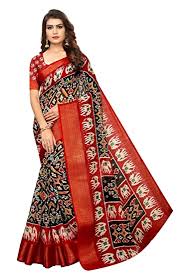
The finest form of textile art and known for its vibrant colors and durability, the patola originates from the state of Gujarat. The weaving technique is known as double ikat where the yarn is first tied and dyed in a pattern and then woven into the fabric. Dating back to the 12th century, the patola was initially used to be worn by the royals.
Collectors and enthusiasts had this as the most sought-after because of its rarity. The vibrant colors in the pattern are visible on both sides. The silk threads used to weave give a luxurious and elegant look. A popular weave among the wealthy and elite because of its beauty and craftsmanship.
The weave is durable, and long-lasting making it popular among the masses.
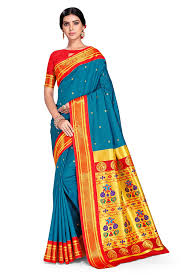
Paithani
Image source Amazon
Originating from the state of Maharashtra, this time-consuming and complex weave is known for intricate designs Worn initially only by the nobility, the paithani’s origin can be traced back to 200 BC.
A technique called bandi is used for weaving wherein the fabric is woven in sections according to the pattern which requires patience and skill. Peacocks, flowers, and vines are traditionally inspired motifs that are woven into intricate patterns. Resistant to wear and tear and fading of colors, the paithani is yet another popular weave.
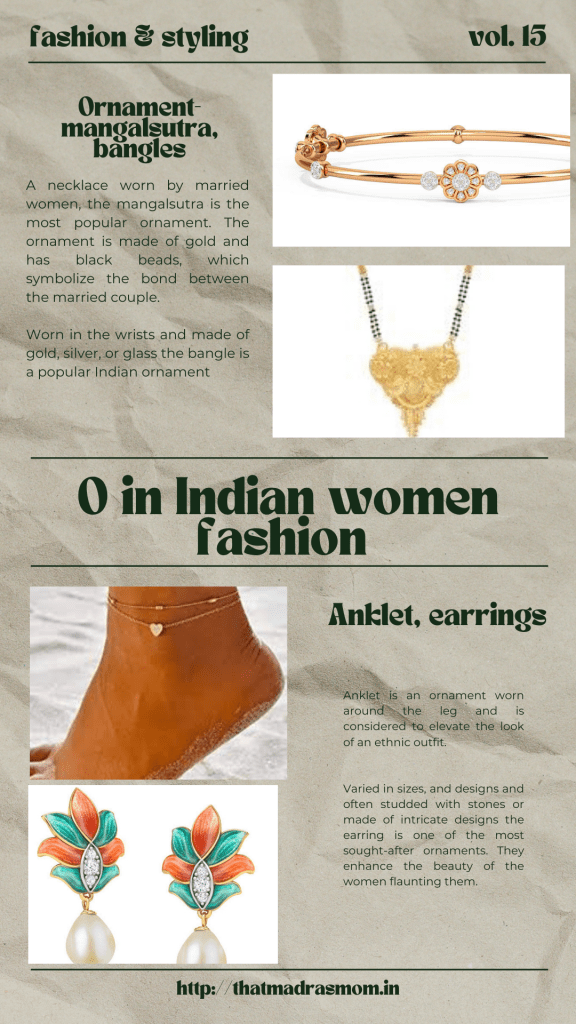
An essential part of Indian culture and worn on various occasions, the ornaments are important and play a significant role in Indian Women’s fashion trends. In ancient times, the ornaments decided the status, wealth, and power of the people who adorned them. In changing times, designs and styles have evolved a lot and become an integral part of Indian culture.
Embellishments, vibrant colors, and intricate designs have made Indian women’s fashion trends famous. The beauty and charm of an Indian outfit are enhanced when Jewelry or ornament is added as an element, Gold, diamond, platinum, silver, and stones are the variety of materials that have been used to craft Indian ornaments. What makes the jewelry or ornament very special is the story behind it, which makes it unique.
Image source Amazon
A necklace worn by married women, the mangalsutra is the most popular ornament. The ornament is made of gold and has black beads, which symbolize the bond between the married couple. Being considered a sacred symbol of marriage, the mangalsutra is also a vital part of Indian culture.
The nose ring comes in a variety of designs, and sizes embellished with stone, the nose ring is also a popular ornament. Known to be considered a symbol of married status, the nose ring is nowadays being worn by adolescent girls. It is also considered that wearing a nose ring enhances a women’s facial features.
Image source Caratlane
Worn in the wrists and made of gold, silver, or glass the bangle is a popular Indian ornament. They enhance an outfit instantaneously if paired properly. The bangle is usually worn in sets and adds beauty to the outfit. It is also considered that the sound from bangle is auspicious and especially worn by pregnant ladies as part of ceremonies to let the child identify the mother with the sound from bangles.
Image source Caratlane
Varied in sizes, and designs and often studded with stones or made of intricate designs the earring is one of the most sought-after ornaments. They enhance the beauty of the women flaunting them. It is considered an essential part of a woman’s wedding. Women have often resorted to multiple piercings to enhance their beauty.
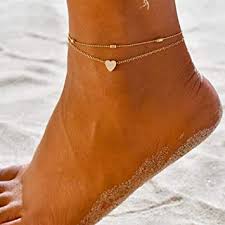
Image source Amazon
Anklet is an ornament worn around the leg and is considered to elevate the look of an ethnic outfit. It is mostly made of silver but it can also be worn in gold. Embellishments can be added like stones, danglers, or even enamel pieces.
Statement jewelry is now the talk of the town and is becoming increasingly popular, wearing ornament pieces that are unique and make a bold outlook can enhance the outfit of the wearer. These jewelry pieces add a contemporary touch when ethnic wear is worn.
Whether it is a mangalsutra or bangles, nose ring, or even earrings and anklets, ornaments are ssure to enhance the outfit and will continue to be an evolving fashion trend for women.
Most of us have a tailored skincare and haircare routine to keep our skin and hair in good shape. Similarly, scalp care is essential to a healthy hair care routine, yet many people neglect it or are unaware of the right way to do it. With the proper scalp care, you can prevent hair problems such as scalp eczema, dandruff, dry and itchy scalp, thus promoting hair growth and improving the vitality of your hair. From using the right shampoo to massaging techniques to dry scalp treatment, there are many things you can do to give your scalp the TLC it deserves. In this article, we will guide you through the basics of scalp care to ensure you are doing it right.
What Is The Importance Of Scalp Care?
Healthy hair adds charm to your overall personality, but where is this hair seated? It’s on the hair follicles present on the scalp. The scalp is the augmentation of your facial skin; hence, scalp care is an extended skincare regime. A healthy and problem-free scalp is the prerequisite for healthy hair growth. How can you expect healthy hair to grow on an unhealthy scalp? Your scalp is like soil; if the soil is fertile, healthy plants, in this case, healthy and buoyant hair, will grow on it. The base is where nutrition begins for healthy hair. A healthy, hydrated, and A well-nourished scalp will make your hair more lustrous and strong. Hence scalp care is vital in promoting the growth of healthy and vibrant hair. Hydration, nourishment, and scalp stimulation are required to keep the scalp healthy. A lot of dirt, debris, dead skin cells and buildup accumulate on the scalp, which needs to be eliminated from the scalp to have a clean scalp. A clean scalp will only promote the growth of healthy hair. So with proper scalp care, keep your scalp problem-free, clean, and hydrated.
Hydration, nourishment, and scalp stimulation are required to keep the scalp healthy. A lot of dirt, debris, dead skin cells and buildup accumulate on the scalp, which needs to be eliminated from the scalp to have a clean scalp. A clean scalp will only promote the growth of healthy hair. So with proper scalp care, keep your scalp problem-free, clean, and hydrated.
What Does A Healthy Scalp Look Like?
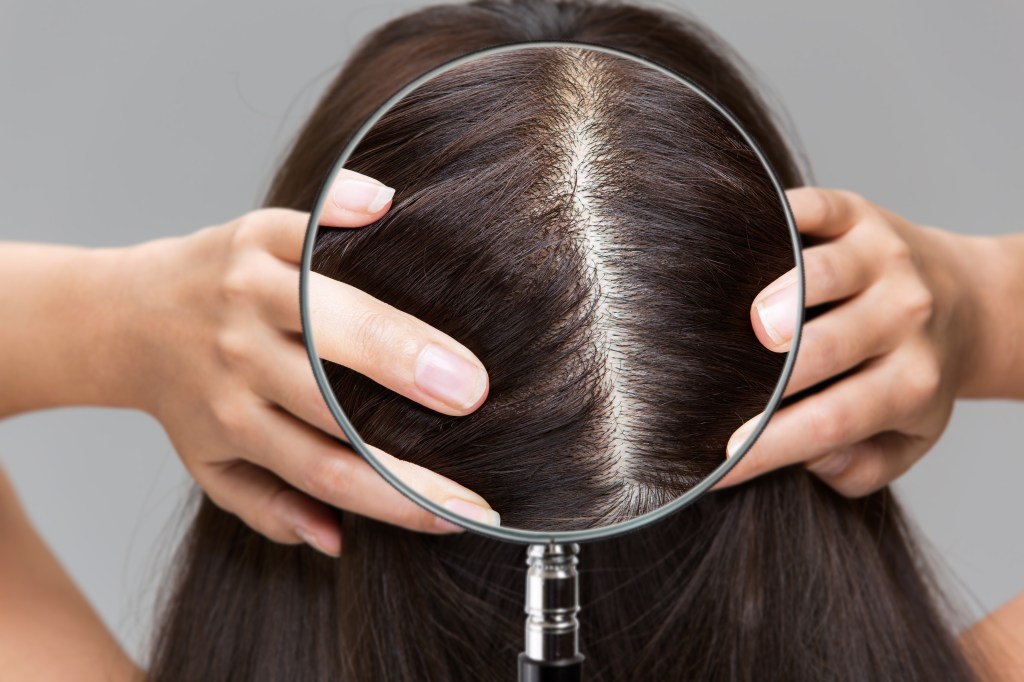
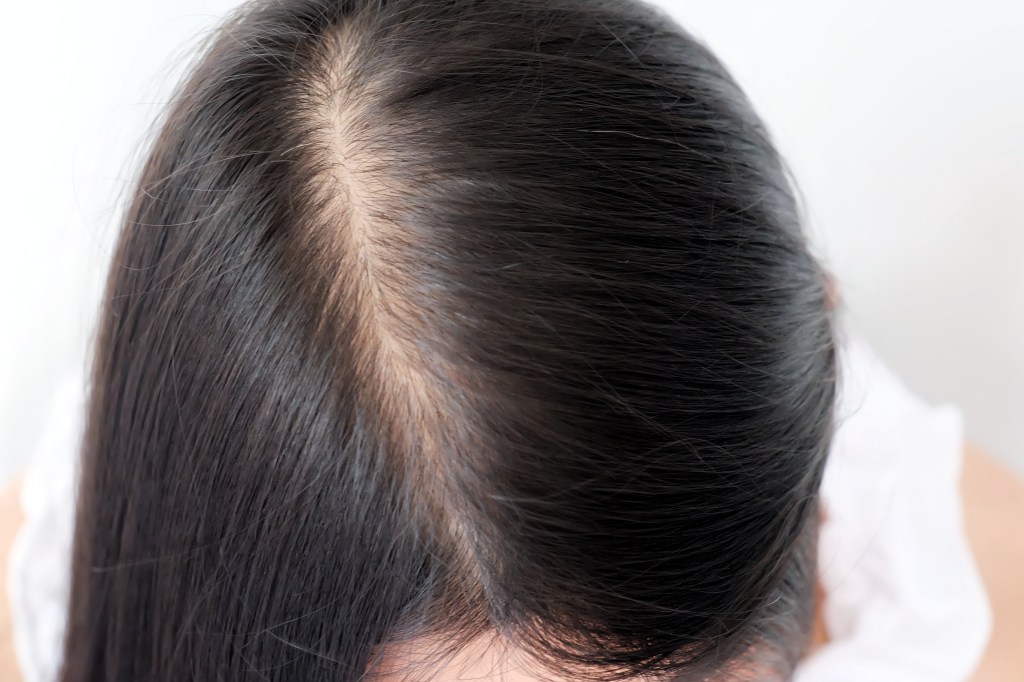
Your scalp is covered with hair, sometimes making it difficult to assess your scalp condition. A healthy scalp is free from dryness, itchiness, flakes, patches, and any signs of infection. It is clean, hydrated, and well-nourished. There should be no signs of buildup on your scalp. You can achieve a well-hydrated, well-nourished, and problem-free scalp with proper scalp care.
Are You Doing The Scalp Care Right?
Just like skincare and haircare, scalp care also depends on the type of scalp skin. You choose skincare products according to your skin type, similarly, choose your scalp care products according to your scalp type. Your scalp care should work in synergy with your scalp type. For oily scalp, shampooing your hair twice or thrice is advisable. Similarly, if you have a dry, flaky scalp, then scalp cleansing is required 2-3 times a week to eliminate flakes and dead skin cells from the scalp surface. Below mentioned are five ways to get a healthy scalp.
1. Keep Your Scalp Clean
The first step in scalp care is to keep it clean. Regular shampooing removes dirt, oils, and product buildup, allowing the scalp to breathe. The accumulated gunk can clog the pores of the hair follicles, thus disrupting normal hair growth. Choose scalp shampoo that is gentle on your scalp, free from sulfates and parabens, and suitable for your hair type. Use a clarifying scalp shampoo every fortnight to clear the scalp of all the debris.
2. Invest In A Good Scalp Scrub
Regular exfoliation is another primary step in any scalp care routine. It helps to improve blood circulation, ensuring an ample supply of vital nutrients and oxygen to the hair follicles, thus improving the vitality of the hair. Scalp exfoliation helps stimulate the hair follicles, thus promoting healthy hair growth.
If you are struggling with a dry and flaky scalp, exfoliate your scalp twice a week with ThriveCo’s Exfoliating Scalp Scrub, as it contains gentle exfoliating hydroxy acids, essential oils such as orange peel oil, and patchouli oil, which provides relief from the inflamed and itchy scalp. This scalp scrub does its job efficiently by eliminating product buildup, debris, and dead skin cells from the scalp, thus reviving and rejuvenating your scalp for improved hair growth. Regular scalp exfoliation facilitates better absorption of nutrients from haircare products, thus improving their efficacy.
3. Hydrate your scalp
Your scalp contains sebaceous glands that secrete oil, which lubricates the scalp and hair. The natural oil in the scalp prevents scalp dryness, maintaining the hydration level of your scalp. Dry scalp conditions such as scalp eczema, scalp psoriasis and dandruff worsened when the scalp gets dehydrated. You can consult a derm to know more about the dry scalp treatments available for your scalp type to eliminate scalp dryness. Using a scalp hydrating and nourishing serum 3-4 times a week helps to improve scalp health. To keep your scalp in optimal condition, restrain from using hot water to wash your hair. It can strip the natural oils from your scalp and make it dry and flaky.
4. Boost Blood Circulation
Massaging your scalp is the most effective way to stimulate hair follicles. You can use ThriveCo Scalp Vitalizing Serum to boost scalp health for added scalp care benefits.
It improves blood circulation and provides nourishment for the hair follicles. It is power-packed with active ingredients such as copper peptides, pea protein, and advanced HA to revive and rejuvenate your scalp, promoting the healthy growth of hair.
5. Avoid Heat and Chemicals
Heat styling and chemical treatments can damage the scalp and hair, leading to dryness and breakage. Limit heat styling and choose chemical treatments wisely, opting for gentler options whenever possible.
Embracing healthy scalp care habits such as protecting your scalp from the sun, keeping your body hydrated, maintaining a balanced diet, adequate sleep, and avoiding stress help in the long run to maintain a head full of hair.
By incorporating these five simple steps into your scalp care routine, you can effectively maintain a clean, nourished, and flake-free scalp. Remember to be patient and consistent, as it may take time to see results. With a healthy scalp, you will be well on your way to achieving luscious, beautiful locks
An attire that has been worn for centuries, six to nine yards, draped in different styles to give a unique look. A fashion statement and a symbol of Indian culture, it is a popular attire across the world and not only in India. Now let us look at some drapes and fabric in N.
Nivi drape
Image source Amazon
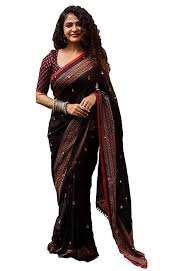
The most common saree drape that you can see around and the easiest drape. Originating from Andhra Pradesh where the Nivi tribe lived, the drape is known for simplicity and elegance. It is a drape that is favored and worn by women from all age groups and body types. It is easy to wear, and quick to drape making it a good choice for everyday wear. It is draped over the left shoulder with pleats centered at the waist, leaving it loose over the shoulder and to the floor. The length is either six or nine yards. From formal events to casual outings, this drape is the most versatile option. The drape suits all types of bodies by accentuating the curves and giving an overall feminine touch.
Evolving over the years, women have experimented with fabrics, colors, and even the way the pallu is pinned. Some women tend to keep it pinned to shoulders for formal occasions, while in some cases it is let loose to flaunt the design or the embellishments which could be embroidery, sequins or stone work. Designers have now incorporated the drape into garments that feature this pre-stitched pleating in gowns which makes it look elegant. A timeless and elegant drape of the nivi drape is a fashion statement for years to continue.
Nauvari drape
Image source Amazon
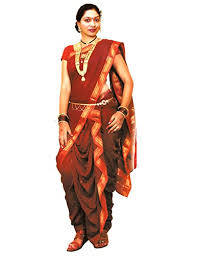
A drape worn by the womenfolk of Maharashtra, the nauvari drape is worn by draping a nine-yard saree. It is the traditional drape of the state of Maharashtra. A popular choice for weddings, festivals, and cultural events, this drape that represents the Marathi culture is also known as the Kashta drape. To give the look of dhoti, the pleats are tucked into the leg, then draped over the left shoulder, and pallu is pinned. Draping the saree around the torso and then pinning it at the back gives a diagonal look.
The unique feature is that the drape allows ease of movement and is loved by women of all age groups. Women now experiment with different fabrics and have embellishments that accentuate the beauty of the saree. Accessorizing it with a nath on the nose really gives an elegant look.
Not only for women in Maharashtra but the drape is also preferred by many women across the country who choose to drape this style for events and cultural occasions.
Ngotekherh weave
Image source Asiainch
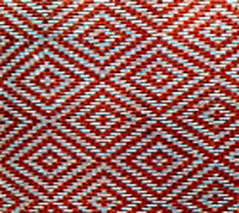
Characterized by intricate designs and vibrant colors, the Ngotekherh weave is a weaving technique practiced by the Tangkul tribe of the state of Manipur. Known for geometric patterns and the bold colors on fabric the ngotekherh weave has a presence of natural dyes from tree bark, and flowers which give long-lasting color.
It is a technique that is passed across generations from grandmothers to granddaughters. This helps in preserving the artwork and at the same time having more skilled people know the nuances.
Comprising a vibrant and rich tapestry of styles and colors, Indian women’s fashion has evolved over the years. A reflection of the cultural heritage, it has also been influenced by regional styles and influences from the foreign land. Let us look at the trends in M.
Madisar
Image source Amazon
A traditional draping style of the south Indian women, the madisar is longer than the usual 6-yard saree and is either 9 or 10 yards depending on the requirement. Worn by the married women of the Brahmin community the madisar is a symbol of cultural heritage. The method of drape makes it easier for movement, though it takes a lot of practice to drape the madisar perfectly. It is a tradition in the Brahmin household that the madisar is to be worn for every religious function in the household. To make it much easier, we now have pre-stitched madisars that have all the pleats stitched.
Mekhela Chador
Image source Jaypore
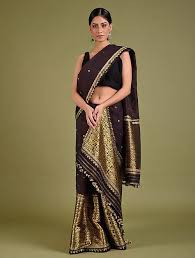
A two-piece garment that has a long skirt-like cloth called mekhela and a cloth that drapes over the shoulder and back called the chador, the mekhela chador is the traditional attire of the Assamese women. An important part of Assamese tradition, it is worn by women during marriages and religious occasions. Made in a variety of fabrics like silk, Muga, and cotton it is a symbol of luxury. Available in a variety of colors with motifs ranging from flora to fauna, and geometric designs, it is a very popular garment. It plays a very important role in the state’s wedding tradition and is worn by the brides. The women of the state wear it during Bihu and Durga puja as part of the tradition and respect.
Maheshwari weave
Image source Amazon
A traditional handloom weaving technique originated in the town of Maheshwar, Uttar Pradesh, the Maheshwari weave is a blend of cotton and silk. Known for its lightweight and airy texture it gives a glossy shine and is durable.
The fabric is woven in such a way that both sides are identical and it can be reversible, so a great option for versatility. The jacquard weaving technique is used for creating designs and it gives good precision and detailing.
Mashru weave
A traditional handloom weave that uses silk and cotton threads, the mashru weave originated in Gujarat. The light and smooth fabric has silk in the inner layer and cotton on the outer layer making it durable and is also resistant to wear and tear. Cotton for the outer layer enabled comfort and the silk lining depicted beauty and luxury.
The weaving takes place in a pit loom that is manually operated using foot pedals and levers. The contrasting colors and patterns on the fabric when worn give a beautiful effect and the silk lining adds elegance.
Moirang phee
A traditional handloom weaving technique, the moirang phee originated in the MOirang town of the state of Manipur. It’s known for its intricate and colorful designs that depict the culture of the region.
Cotton that is locally sourced from the fields in Manipur is used to make the fabric, moirang phee. The light and airy nature of the fabric makes it best suited for hot and humid climates. The weaving is done on a pit loom by skilled manual labor.
Natural dyes from turmeric, indigo, and hibiscus flowers help in creating vibrant patterns such as birds, animals, and patterns that depict the local culture and tradition such as the folklore and mythology of Manipur.
Muga silk
Image source Indiamart
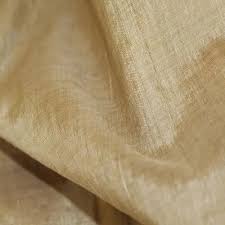
Originating in the Northeastern state of Assam, the Muga silk is a luxurious and unique fabric that is known for its unique golden color and lustrous texture. These unique characteristics, make it the most sought-after among silk lovers.
The Brahmaputra valley in Assam is where there is an abundance of som and sualu trees which is the food for the silk moth. Rearing the silk moth, extracting the fiber, and then weaving the fabric is a laborious process. The silk known for its durability has a unique gold color which is from the yellow pigment of the cocoon. A symbol of the state’s rich tradition and history it also helps in preserving the cultural heritage of the state of Assam. It also forms a major part of contributing to the economy of the state.
Mysore silk
Image source Amazon
Known for its exceptional quality and durability, the Mysore silk originates from the city of Mysore, Karnataka. The mulberry silkworms provide high-quality silk yarns that provide sheen and softness which is a unique characteristic of this silk.
A highly laborious process involves boiling the silkworm, extracting the yarn, and then weaving them into the fabric. The silk fabric is available in a variety of colors and designs made from jacquard weaving.
Thousands of people are involved in the extraction and weaving process which makes silk production a major contributor to the state economy. The production of silk adhering to quality standards is overseen by the Government.
A diverse field steeped in culture and tradition Indian women’s fashion comprises a range of styles and influences from modern-inspired dresses to traditional sarees. Deeply rooted in the culture, it also evolves with changing economic and social trends.
Let us look at Indian fashion trends in L.
Lehenga
Image source Peachmode
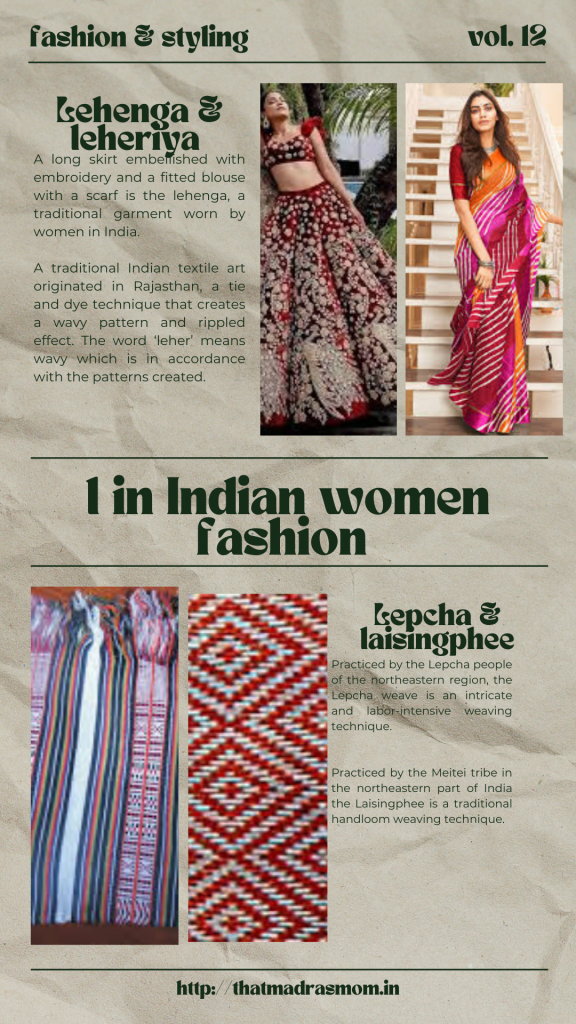
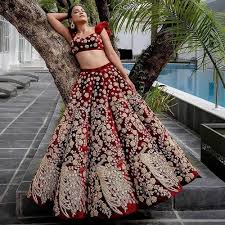
A long skirt embellished with embroidery and a fitted blouse with a scarf is the lehenga, a traditional garment worn by women in India. Depending upon the fabric and colors, the lehengas come in various styles and are worn for weddings and special occasions.
Tracing back the origin to the Mughal Empire, the wives of the royal family were known for their love of extravagant clothing. A sign of wealth and luxury, the garment was worn by the affluent class and royalty.
The lehenga trend soon caught on and it became a popular choice for the bride and the bridesmaids. The garment has also undergone a lot of changes with the passing times, with respect to fabric, embroidery, and so on.
The A-line, circular, and mermaid are some of the types of lehenga which are most sought-after by the younger generation these days. Whether it is a wedding or a special occasion, the lehenga will make heads turn to your side.
Langa Voni
The langa voni or the half saree is a traditional attire worn by adolescent girls in South India. You can read more about it here.
Leheriya
Image source karagiri
A traditional Indian textile art originated in Rajasthan, a tie and dye technique that creates a wavy pattern and rippled effect. The word ‘leher’ means wavy which is in accordance with the patterns created.
The local artisans in Rajasthan introduced the art in the late 18th century, initially created using natural dyes and colors. The bright and bold colors symbolize the vibrant colors of Rajasthan. The fabric is twisted like a rope and tied at certain intervals post which it is dyed. The leheriya is now incorporated into modern fashion. Though synthetic dyes are now being used, the local artisans still prefer natural dyes for the fabric.
Lepcha weave
Image source government of Sikkim
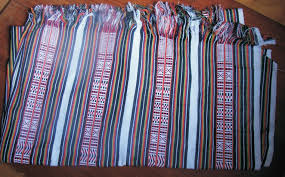
Practiced by the Lepcha people of the northeastern region, the Lepcha weave is an intricate and labor-intensive weaving technique. It uses natural fibres like cotton, silk, and wool. The use of natural dyes from plants, roots, and berries gives vibrant colors to the fabric. Simple designs like stripes and checks to complicated designs like geometrics designs are woven by the artisans. The weave is an integral part of Lepcha culture. The government has taken steps to preserve and promote by enabling artisans to sell their products online.
Laisingphee weave
Image source of asiainch
Practiced by the Meitei tribe in the northeastern part of India the Laisingphee is a traditional handloom weaving technique. It uses a fly shuttle loom and natural fibres like cotton and silk.
A high level of skill is required to operate the fly shuttle loom and to achieve the desired pattern the weaver must use a good combination of speed and precision. Natural dyes like indigo, turmeric, and madder root are used to achieve bright and vibrant colors in the fabric.
An important part of the Meitei culture, the laisingphee is used to make clothing and even home furnishing materials.
Let us look at trends in K. We have a lot of weaves in K that are popular among the masses even now.
Kurta/Kurti
Image source Amazon
Popular among both men and women the kurta or kurti is known for its versatility and style in addition to being a comfort fair. By saying versatile you could wear it for everyday wear and also for weddings or special occasions.
The kurta is long, loose-fitted, and has a length below the knee, the kurti is typically shorter and is usually till the knee or above it. They can be made in a variety of fabrics like cotton, silk, and chiffon. They can also have embellishments like embroidery, and sequins which adds more beauty.
Depending upon the occasion the garment can be dressed up or down. Say for everyday wear it can be paired with a jean, dhoti pants, or leggings, but for a wedding, it can be made grandeur with heavy embellishments and accessories.
The loose fit makes the garment airier and easier to move around making it one of the most sought-after comforts. It is also easy to be cared for like machine washing and hand or dry wash for expensive materials or work done on them.
A great way to depict Indian cultural heritage it can also be worn for religious occasions and marriages, the kurta/kurti is a symbol of Indian identity and pride. A worth-considering outfit known for its versatility, the kurta/kurti gains popularity even overseas.
Kantha weave
Image source Indiamart
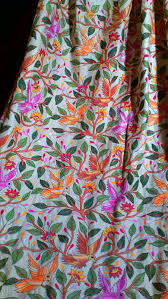
Kantha which means rags in Sanskrit, is a technique in the Indian subcontinent originating in the eastern part, of Bengal and Odisha that involves stitching together layers of old saree, dhoti, and discarded clothes to form intricate patterns. Could be considered as recycling old clothes into functional ones like cushions or quilts.
A technique that was traditionally practiced by the rural women, who would collect fabrics and turn them into functional household materials this was later adopted by skilled artisans to create beautiful garments. The product is rustic and elegant.
The versatility is a great advantage of this weave, be it for cushions, quilts, sarees, or salwar. The repurposing of old fabrics aids sustainability which is one more reason the weave is becoming much famous. The weave also helps support rural women’s communities.
Khesh
Image source Ajio
Derived from the Bengali word ‘khesh’ which means ‘scratch or tear’, the khesh is a handloom weaving technique from West Bengal, that repurposes old sarees or dhotis. The eco-friendly and sustainable nature makes it even more popular as it repurposes fabric without any waste.
The unique and colorful designs make it stand apart, a single color is used as warp, and strips from pre-used clothing woven as weft result in textured fabrics with vibrant colors.
It is time-consuming and laborious as the weaver needs to carefully select the pre-worn garment strips that would go well with the warp. The woven cloth is used to make furnishings like curtains and cushion covers and also sarees. Known for its vibrant colours and texture the weave is also making its way to the fashion industry where designers use this for upcoming projects.
Kota Doria
Image source Amazon
Originating in the Kota region of Rajasthan, It is a weaving technique that produces light and airy fabrics. The weaving involves intricate checked or square patterns and is predominantly used for producing sarees. It uses two yarns thick one called the warp and a thin one called the weft. The weft yarns are passed over and under the warp threads to form the square patterns.
The fabric is lightweight and breathable which is great for hot and humid weather. White, beige, and pastel are usual colors but with changing trends they are now available in different colors. It has a GI tag that makes it unique and authentic and it is made by traditional methods.




























 That Madras Mom