#BlogchatterA2Z J what to and what not to teach your toddler

Time flies so fast, we’re already into J and the last post for this week before we take a break on Sunday. So are we ready to know the traits in J.

What to teach

Judicious – A person is termed to be of judicious character when they are shown to have a good judgement sense. They are people who have a balanced view and a common sense.

Jovial – A person who is cheerful and friendly. They are known to bring positive energy into surrounding and bring about happiness.

Jim dandy – We could raise kids to be a Jim dandy which means an outstanding person. A person who is admirable and fine.

Jack of all trades – A person is termed jack of all trades if they’re well versed in quite a number of fields. They could also be termed to be versatile.

Joyful – A person is termed as being joyful if they feel or express great happiness. The person bubbles with happiness which makes other get into the mood as well.

What not to teach

Jackleg – A person is termed a jackleg when they’re untrained or amateurs. The person is usually characterised as impotent and dishonest. They lack professional standards and are often criticised for a bag quality job done.

Jaded – A person terms jaded when they lack enthusiasm due to too much of something that is already done. This doesn’t keep the others interested so they often turn the attempts down.

Jealousy – would mean showing enviousness. Often by attempts of someone else’s accomplishments. This often brings a lot of negativity and is not a good trait. This would trigger anger and would lead to further bad actions.

Jive turkey – A person is termed as a jive turkey when they make false promises or too much exaggeration that leads to them being dishonest or unbelievable.

If there are any traits that you would like me to include I’d be happy to if you could share them in comments.

We would meet again next week to know more of traits that we want them to learn and practice and some of which we don’t want them to. Until then take good rest and enjoy the lockdown by spending time with family or reviving your long lost interests.

#BlogchatterA2Z I what to and what not to teach your toddler

Let’s learn about what and what not to teach your toddler’s in the letter I.

What to teach

Idealist – A person who envisions an ideal world rather than the real world. Though they might sound impractical, they strive hard to attain the perfection to make the world a better place. It can make you pursue the best way rather than the real way to achieve the goal.

Imaginative – is a person who shows creativeness and inventive. A person who has an ability to develop a unique solution to a problem. Such people come up with good stories or songs.

Impartial – A person who is impartial treats everyone equally. They give a fairly equal solution rather than taking sides.

Ingenious – A person who is clever and intelligent. It cannot be deemed as higher level of intelligence but termed as clever. These people show an unusual aptitude for discovering.

Irritable – A person is termed irritable when their temper is easily disturbed. They can be easily annoyed or made angry.

Irresponsible – A person is termed irresponsible when he/ she does not show any sign of being responsible. They always forget to do what I is entrusted upon them .

Insecure – A person who is insecure would mean that someone who is not confident . They would not feel good about themselves and would rather feel sorry when others look at them.

Impatient– People who are impatient have the tendency to be easily annoyed and disturbed. They usually cannot tolerate any delay .

Let’s meet again tomorrow for a new set of traits.

#BlogchatterA2Z H what to and what not to teach your toddler

We’re into the eighth alphabet. It’s just so quick we got to here. H has a lot of good attributes.

What to teach

Humble – Being humble is being modest of one’s importance. They believe they aren’t proud of better than people. They are usually observed go patient in actions and aren’t irritated with others action. They handle stress better and have high tolerance levels.

Hardworking – A person who is hardworking is someone puts in a lot of energy and effort to achieve something. Hardworking people are more dedicated, determined and disciplined.

Honest – Being honest is when someone is true to his words. They are sincere in their efforts. It is about being true to oneself and also to others. It can be taught not all of a sudden but gradually over a period of time.

Humanitarian – A person described as humanitarian is usually concerned about an improvement in human welfare. They focus on protecting human dignity.

Helpful – A person is termed helpful when they are always ready to offer assistance. They are ready to help others and do not think over the results but mainly focus on helping.

What not to teach

Hysteric – Being hysterical is when someone has uncontrollable temper. It is a state of extreme fear and anxiety.

Hypocrite – A person who has certain beliefs and feelings when they actually don’t.

Hardmouthed – A person who is hard mouthed is someone who is stubborn. They don’t respond to you in a satisfactory way. They are usually characterised by rigid behaviour.

Haphazard – Would mean not doing things in an orderly fashion. Person doing things in a haphazard manner is usually not in good books. They don’t have a plan and do things in a random fashion.

Hasty – A person described as hasty always does things in a hurried manner. They make quick decisions without giving much thought and insufficient consideration.

Heartless – A person is described as heartless when they have complete lack of empathy or consideration to human feelings. It is one of the terrible attitudes one could develop as a human.

Let’s meet tomorrow for traits in I.

#BlogchatterA2Z G what to and what not to teach your toddler

Let’s learn about the traits in G. G has a lot of good traits and let’s take a look the most important ones we need to concentrate.

What to teach

Generous – Being generous is the readiness to offer more . A person being generous would be selfless about offering. They would be willing to give and share unsparingly.

Generalist – Someone who is well versed in all fields. The knowledge and the skill they possess could be applied to all fields.

Grateful – Being grateful is being appreciative of receiving or for something done. It is a feeling of thankfullness for what is received.

Green thumbed – Someone who has excellent skills of gardening. Gardening I feel is a great hobby and a good stress reliever. My mom is green thumbed and I love her fascination towards plants and would love of my children take them over.

What not to teach

Gormless – Would mean lacking sense is behaving foolish. They usually don’t understand things well.

Graceless – This would describe a person with impolite behaviour. They behave in an awkward and uncoordinated manner.

Grumpy – Being grumpy is a person who is always ill-tempered and irritable. They always aren’t satisfied, unhappy and keep complaining .

Green-eyed – Someone who is jealous and envious. They are usually jealous of someone else’s success. Usually referred as a metaphor,green eyed monster.

#BlogchatterA2Z F – What to and what not to teach your toddler

Let’s learn about the F words that we should teach and the ones we shouldn’t. No wide eyes or raised eyebrows. I’m talking about the characteristic traits we should be teaching our toddlers.

What should you teach

Faithful – A person who is faithful is normally described as someone whom you can rely upon. Somebody who is true to their promises and their word . They keep up to what they say.

Fearless – fearless would mean lack of fear. It’s the inner feeling that makes you take one more step when you fall down. That feeling of not getting dejected after falling and makes you want to try.

Flexible – Being flexible is not being rigid or stubborn but would be a person who can accept changes.

Forgiving – Forgiving is when someone is ready and willing to forego ones mistake. It helps us grow as an individual and it’s best for us not to hold on to bigger experience, anger, hurt.

Forthright – Being forthright is a person when being direct spoken and being Frank. The person is not shy to speak out what they actually mean.

Forward looking – is the person who thinks of future opportunities or development. Somebody who is courageous and bold enough to take decisions in lieu of future opportunities.

What not to teach

Faint hearted – faint hearted is someone who is fearful and afraid. This person could be easily scared and is usually timid natured. They aren’t brave and would venture unnecessary risks.

Fallacious – This would be talking based in less known information or something based on no logic. A false conclusion that is being conveyed based on improper information.

Fussy – Someone who is hard to please and has too many needs or requirements even for small things. They demand too much attention , worry about unnecessary things and complains a lot.

Let’s meet tomorrow for what we learn in G.

#BlogchatterA2Z E – What to and what not to teach your toddler

Happy Monday folks .. Today we look at the list of traits we teach in the fifth alphabet E and what not to teach.

What to teach?

Earnest – Being an Ernest person would mean your sincere about what you choose to do. The actions that come from them are sincere and would definitely mean that they mean serious business. This cannot be confused with honesty wherein that means being truthful.

Easy going – Bring up your toddler as someone who is relaxed and doesn’t get stressed easily. They should be taught to control temper , be calm and take things in a flow. It’s a desirable quality and a person with such a trait is always happy with what they have.

Ebullient – A person is termed this way when he / she bubbles with energy or enthusiasm. Such a person is so very cheerful that they’re always welcome as company.

Empathetic – Bring them up as someone whose is empathetic and can understand the feelings of other human beings. Empathy is not something that is inborn it has to be taught. This is a very crucial trait to decide if you’re a good person.

Extrovert – A social outgoing person or somebody who is full of energy when surrounded by people is termed an extrovert. Extroverts can adapt easily in new environments since they have an upper hand when it comes to socializing.

What not to teach

Egocentric – Could also be termed as self centered. Such a personality has no regard to others feelings and is only concerned about self. Such a person always has a belief that they would be the center of attention. It normally comes out as acts of selfishness, lack of sympathy towards others.

Emotionalist – a person who gives most importance to feelings and emotions rather than reasoning. Such a person would never agree to logical thinking upon arriving to solutions but would rather think more about the emotional consequences.

Envious – Would mean a discontent in not having what others have or they could do. It causes unhappiness and makes you feel inferior.

Exaggerator – A person who tends to blow incidents out of proportions. They usually have the tendency of describing events more than what actually had occurred.

Exhibitionist – A personality who tends toward steal attention by behaving in a certain way even it may seem silly. The person with this trait normally is know to boast of their abilities.

Let’s meet again tomorrow for the F words .

#BlogchatterA2Z D what to and what not to teach

We’re into the fourth alphabet D for which is like to mention qualities like dedicated, dependable, determined, decisive, delightful and a dreamer to be taught and practiced.

What to teach

Dedicated – Being dedicated would mean complete involvement in an action. To succeed in any task the first and foremost thing would be the dedication. The willingness that comes from within to spend the time and energy into something is what is termed dedication.

Dependable – Being dependable is being a person on whom we can be sure of or be confident of. This makes you a person on whom we could count on or rely upon. That level of confidence that forms a personality trait is being dependable.

Determined – Being determined is having a strong feeling to complete or succeed in a task. It is a feeling that will not allow anyone or anything to stop you from doing it. The firmness in resolution gives you that drive towards completion.

Decisive – Being decisive would mean the ability to decide and come to a conclusion. It is based on this trait you continue to accomplish the plan to proceed with the task. It doesn’t mean that you decide things in a hurry. It means you have enough knowledge on what you decide to proceed further on.

Delightful – This would mean becoming a liking for all. A character that would be loved and greatly appreciated and look forward to. It is that when someone describes you as delightful it means you bring in happiness or joy to the surroundings.

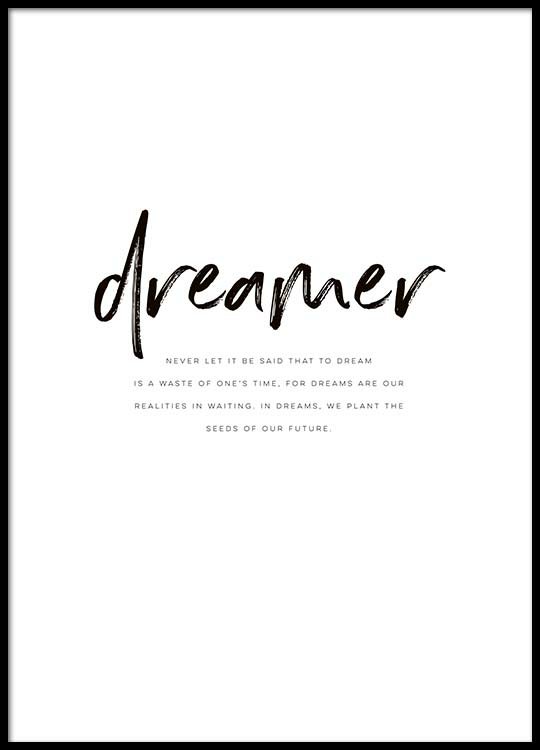
Dreamer – Being a dreamer would deem you a person who always imagines things you would like to happen but is impractical. But in my point of view if your aren’t a dreamer, you wouldn’t be a doer. It is dreams that often give you suggestions or solutions to existing problems in life.

What not to teach

Deceptive – Being deceptive would mean giving a false impression. You would not want your kid to be a person who makes you believe that something that is not true. You see them building up excuses for their mistake however believable that might be, cut it out right away.

Dishonest – As we know this is a characteristic of a person who cannot be trusted. We obviously do not want our kids to be this way. Make them act fair right from the beginning.

Domineering – Domineering would mean gain control of the situation in an inappropriate way. People with this characteristic try to thrust what they decide without having empathy. They feel they decide everything and that’s the end of it.

Despondent– Being despondent is having a low feeling or losing hope . It’s something like losing confidence or getting into depression.

That’s it with D and see you next week for fresh start with what you should be teaching in E and what not to . Until then have a great weekend.

#BlogchatterA2Z C what to and what not to teach

The third alphabet usually taught as c for cat, cake or cup for the kid. For us we would teach them to be cheerful, compassionate, confident, courageous and charismatic. What should we not teach would be cunning, choosey and childish.

What to teach

Cheerful – Being cheerful would mean being chirpy energetic. Somebody who brings joy and happiness would always be welcomed to any surrounding or gathering. Such a person is always someone who everybody looks forward to .

Compassionate – Would mean someone who would empathize and be kind to others. A child should learn to think before they act and know the possibility if their actions would hurt someone. The child should be kind to all. A compassionate person is someone who could alleviate somebody else’s stress. If you want to lead a happy life or your child to lead a happy life teach them to be compassionate.

Confident – Being confident means being firm and absolutely right about what one wants to do. Being confident can make a kid sure of their abilities and their views and perceptions.

Courageous – Courage does not attribute only to physical bravery. It makes a person stand up against all odds without any fear. Nobody is born courageous it take practice.

Charismatic – A person who is charismatic helps others that feel the confidence in addition to the self. They bubble with confidence and that’s something that’s not egoistic.

What not to teach

Cunning – A person who is cunning is clever but usually unacceptable since the way of approach was dishonest. The person is very much capable of manipulating others thoughts to get what they want.

Choosey – A kid should be taught to accept whatever he /she gets and not be choosey for each and every thing offered. This in other words is easier if the kid is able to adapt well to what they are being offered.

Childish Being childish means immature and ignorant act. Crying to achieve what they want, blaming others are some of the actions a childish person does. We must teach them not to cry over small things.

So you now know what to and what not to teach in C. See you tomorrow for D.

#BlogchatterA2Z B – What to and what not to teach toddlers

B – The second in the alphabets which has traits like bold, bright , busy.

What to teach

Bold – Being bold is having the ability to say and exhibit without having fear. The child has to be taught to be bold enough to voice out what they feel. This could be taught in a way that they don’t sound harsh. The term is like to use here is bodacious which is bold and audacious in unison. If the child doesn’t like to do something or say something the child should voice it out rather than doing it just for the sake of being told. If that would be wrong we could always jump in and weigh in the reasoning from the child’s point of view.

Busy – Being busy is keeping themselves occupied. The child could either read a book, play with a toy . The child needn’t be let idle . It’s always better to keep them occupied with some activity on their own or involve them with us.

Bright – Being bright is the quick intuitive thinking that the child can be taught to cultivate. Rather than depending on someone to be instructed on what needs to be done, the child could bring out what he/she has an idea of action. This could be something that we could accept or put into action or something that needs minute corrections. But that spontaneous thinking of coming up with the idea or thoughts is what we should make them capable of.

What not to teach

Boisterous – Boisterous means being noisy. A child should always be made to talk in a polite tone no matter what. We’ve seen in adults people often raising voices just to prove what they say is right. Something wrong is wrong no matter in what higher tone you put that in. So it is always better to train them to be soft spoken at home which would help them at a later stage.

Belligerent – This is often a term used when someone is highly argumentative. The child could always ask for a reason but cannot pick up an argument with each and everything. If you find this earlier this should be corrected.

#BlogchatterA2Z A – what to and what not to

Qualities in A
Qualities in A

The letter A has a lot of qualities that describe a person say affectionate , adaptable, attentive, agreeable and so on. A also has anger , annoying and arrogance which we should also teach them how.it would sound and how people with those qualities are often not preferred.

What to teach

Affectionate – Affection is often termed as physical expression of feeling. Most oftenly this particular quality is most evident and is clearly seen when showering love to infants. This affection often is directly proportional to the development we see in infants. More of affection sure is to help them grow in a loving environment. Also helps in their well being. When being shown affection, they also learn that it is good too be affectionate towards fellow beings.

Adaptable – Being adaptable is the adjusting nature of the individual. Bringing up the toddler in a way that they are capable of adjusting be it the place or the facilities available is a great trait. Kids these days should have this trait that makes it easier for them to survive when they have to experience change in what they are usually exposed to.

Attentive – Being attentive makes shrewd and aware of what is happening. Attention to details is even more better. This would make them be alert in all situations.

Agreeable – Being agreeable means the ability to be pleasing. It can also be taken that the child is pleasant to accepting changes or decisions.

What not to teach

Anger – one such quality where a person looses temper and erupts. This has to be corrected during initial stages for the child. The child when doesn’t agree to certain things needs to be explained patiently rather than having to say that they are angry.

Annoying- Annoying behaviour is termed as certain verbal or physical expression that isn’t liked or doesn’t seem to be pleasant. A child cannot be allowed to do something verbally or physically that causes displeasure to others.

Arrogance – Being arrogant is being firm in what they stand though they’re aware that it isn’t fair. The child should be able decide or deduce what is right and what is wrong at least at their level of maturity and agree to it rather than standing to support something that is not right.

The above said could be taught at various stages and not at one shot. It takes time.