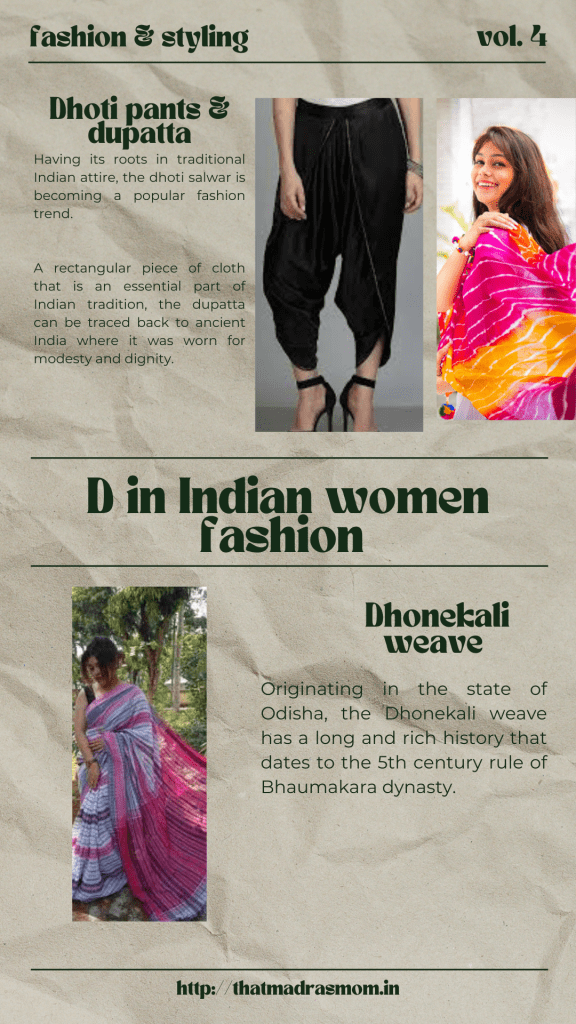
F in Indian women fashion

A term that has been gaining a lot of momentum and traction in recent years is fusion wear. Pairing up traditional costumes with little input from Western styles gives you a unique and modern look. When you are quite bored of sporting the traditional look or the Western formals, this will give you a refreshing look.


We could say it’s the best of both worlds (Indian and Western styles) as it incorporates the beauty of both. A popular twist to fashion is when a woman wants to embrace her cultural roots while still incorporating modern fashion trends.
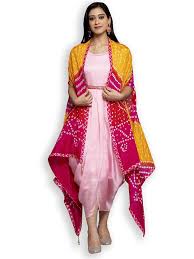
Image source Amazon


This style became a revolution in Indian women’s fashion such that top brands have even adopted it to bring them into their collections. Though Western wear gained a lot of attention, the ethnic wear segment of garments has repositioned itself as preferred because of the innovative styles, and product marketing the growth trajectory has also seen immense rise.


Image source AJIO

During the early 2000s, the designers started experimenting by using silhouettes from Western styles in traditional ethnic wear. This gave rise to fusion wear, a style blended with the best of both worlds.


Those living in urban areas have adopted the trend of fusion wear. It appears versatile and comfortable in addition to being stylish, it has now become a great choice for everyday wear and also for formal occasions. Its versatility spans such that the attire can be dressed up and dressed down, depending upon the occasion for which it is worn.


An Indo-Western dress wherein a saree or salwar kameez has a Western silhouette or cut that makes it comfortable and stylish has recently gained popularity. The fusion saree is a traditional Indian saree that has Western cuts, and options to drape over a pair of pants.
Fusion wear has even found its way into weddings. From wedding guests to even the bride now chooses to wear fusion wear. The modern and stylish bridal look retains the cultural significance of traditional bridal attire.
This unique and modern style of clothing will gain more popularity as more women embrace this choice of fusion wear.

Image source Indya


A combination of the Ghaghara skirt with a pashmina stole and a cashmere top can never go wrong when it comes to styling. Indian fabrics are given a fresh look with cuts from Europe and the United States giving you a refreshing outlook that can never go wrong.

This post is part of #blogchatterA2Z 2023.

E’ s in Indian women fashion

An essential part of the country’s rich cultural heritage especially when keeping in mind fashion, ethnic wear, and jewelry are things that hit the chord. Especially in a diverse country like India which has a rich cultural history you are limitless with the options you have when it comes to dressing up and following it up with accessories. Let us look at some of the famous ethnic dresses and jewelry in Indian women’s fashion.


When you turn back and look you may notice a wide range of styles, patterns, and designs when it comes to ethnic wear. Be it the fabric, the craftsmanship involved in weaving, the type of occasion whatsoever, you name it, and Tada! You have a dress and a matching accessory. Snap and which land are you in? Well, the answer can be said out loud beaming with pride that it’s India.


From Sarees, salwars, kurtas, lehengas, and half sarees Indian ethnic wear for women has a never-ending list of options. Each of these has a unique charm and adds beauty to the person who wears it.


Saree

Image source pixabay


The saree is a long piece of fabric that is draped around the body and paired with a blouse. Depending upon the place of living, and type of occasion the saree is available in a variety of materials and there is one for everyone. There are silk sarees for weddings, cotton sarees for everyday wear, and georgette sarees for a party. Embellished with sequins or stones the sarees are made to look more grandeur.

Pairing them with different blouses ranging from halter necks to tank tops gives you a truckload of options for fusion wear. Leave the blouse pairing, the type of drape is a whole new chapter that will give you ideas to drape the same saree in about 20+ styles without making people guess that you’re wearing the same thing over and over again.

Wait, and don’t worry if you can’t get the drape right, we Indian women have a solution even for that. We now have businesses that sell one-minute sarees. You just must clip and swish two rounds and be done. You will look like someone who hired a professional to drape your saree. It all becomes so easy that you only have to choose the saree, give them your measurements, and in two days land your Cinderella costume. And for a bonus, some of them even come with customized blouses how cool is that? And if your curves give you insecurity worry not, you have saree shapewear that literally will make you go unrecognizable.

Salwar kameez


A tunic paired with loose-fitting pants makes it a breezy garment. Most women resort to this for everyday wear. It comes in a variety of fabrics and different stitching styles. This can be paired with a dupatta or even a scarf.


Lehenga

Image source pixabay


Predominantly worn for special occasions like weddings, the lehenga is a long skirt paired with a blouse and a dupatta. It can be elegant and luxurious at the same time depending upon the fabric and the amount of handwork that goes into making it. Silk and luxurious fabrics are the most sought materials for a lehenga which is then embellished with stones and sequins.

Ethnic jewellery


An essential part of Indian ethnic wear and no garment is complete without pairing it with jewelry.


The usage of precious metals, intricate designs, and skilful craftsmanship in Indian jewelry is very famous throughout the world. The jewelry includes earrings, bangles, chains, necklaces, rings, toe rings , maang tikkas and anklets.

Image source pixabay


A kundan set that includes earrings, a necklace, and a maang tikka is one of the most famous jewelry forms. Glass stones that are set in gold or silver metal base make it look classy and regal.

Image source Indiamart


A polki set is something similar to kundan except that instead of glass stones, this has diamonds studded, which makes it a perfect wear for special grandeur occasions like weddings. Polki sets are expensive and luxurious forms of Indian jewelry.


Indian women love to wear bangles which are like bracelets that can be made in gold, silver, glass, and lac. They come in a variety of colors and intricate patterns on them can be made to make them look grand.


Indian women also love layering up jewelry. With Short necklaces and long chains, they have a variety of options to style up depending on the neckline of the outfit they wear.
Ethnic wear dresses and jewelry reflect the diversity of our country and its rich cultural history. Indian ethnic wear is loved by women across borders and is cherished by people across the world. Indian women’s fashion is timeless, truly unique, and elegant in its own way.

This post is part of #blogchatterA2Z 2023.

D’s in Indian women fashion

Weddings, festivals, or everyday wear, Indian women’s fashion is an important part of the country’s cultural heritage. From attire to accessories, we can say it is a dynamic industry. Let us look at fashion in D.


Dhoti pants

Image source Amazon

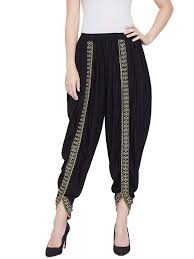
Having its roots in traditional Indian attire, the dhoti salwar is becoming a popular fashion trend. Honoring the cultural heritage but also wanting to have a chic and trendy look, fashion-conscious women have found a way to interpret traditional attire.


Typically worn by men in India, across centuries the dhoti is everyday wear but also makes its way to weddings depending on the fabric with which it is draped. Combining the comfort and fluidity of dhoti but maintaining the structure of a pant, the dhoti pants for women is undoubtedly one of the most versatile garments ever. With an elasticated waistband, it is suited for all body types and can be made in silk, linen, or cotton with vibrant colors and intricate patterns.


Its versatility is boundless that you can pair it with a t-shirt or tank top for a casual look, a kurta, and a heel for a formal look which makes it great for fusion wear. The loose and airy fit is great for the humid climate and makes it easy to move which makes it a great comfort wear.


It can also be layered with a jacket and sweaters with scarves to be worn during winter. So typically, the dhoti pants can be worn all through the year, depending on how you pair them with.


Dupatta

Image source Amazon


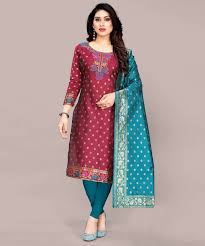
A rectangular piece of cloth that is an essential part of Indian tradition, the dupatta can be traced back to ancient India where it was worn for modesty and dignity. Elders considered it as a mark of respect when women wore it over their heads. It also gives an aesthetic appeal and is made from cotton, chiffon, silk, and georgette with intricate patterns embellished with stones and embroidery.


It is an essential component for most Indian attires like salwar, lehenga, and even sarees. It can be draped over the head, or the shoulders and sometimes even as a veil covering the face. While silk dupattas are reserved for weddings, cotton is preferred for everyday wear. It can be plain for everyday wear or embellished with stones or embroidery to give a touch of elegance.


Dhonekali weave

Image source meesho


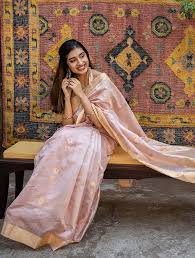
Originating in the state of Odisha, the Dhonekali weave has a long and rich history that dates to the 5th century rule of Bhaumakara dynasty. Typically used to weave garments for weddings like saree for women and dhoti for men, the dhonekali is a technique that has a distinctive pattern.


Being passed down through generations the weave uses a hand-operated loom and uses a technique called dobby, which involves dobby bars which are wooden sticks to make intricate patterns. It also uses a special yarn katki which is twisted to create a stronger yarn and then dyed with colors to make intricate patterns.


An important part of Odisha’s cultural heritage, it is also a symbol of prestige and status, since it was worn during ceremonies. Not only garments, the weave also found its place in temples as prayer mats and wall hangings.

This post is part of #BlogchatterA2Z 2023.

C’s in Indian women fashion

Being a unique blend of traditional and modern styles Indian women’s fashion has evolved over the years. Intricate designs, craftsmanship, and vibrant colors make it stand out distinctly. Let us take a look at Indian women’s fashion in ‘C’.

Churidar

Image source Flipkart


Originating in North India, the churidar is bottom wear, which is worn with kameez or a tunic. Characterized by its tight fit near the ankle, it uses extra fabric to be gathered around the ankle. A churidar is a versatile outfit that can be worn for both formal and casual events. It can be stitched with cotton, silk, or chiffon and to add that touch of elegance it can be embellished with sequins or embroidery.


A modest and conservative garment that covers the leg, the churidar is loved by women from India, Pakistan, Bangladesh, and other south Asian countries. It is a comfortable and easy-to-move-around attire.

Chanderi silk

Image source Jaypore


Handwoven by artisans in the town of Chanderi, Madhya Pradesh, chanderi silk is a fabric that is a combination of cotton threads and silk. Unparalleled quality, exquisite texture, and intricate designs make it a luxurious fabric that is known for its sheer texture and lightweight that makes it stand apart distinctly.


The soft and delicate feel makes it perfect for weaving comfortable garments. The history dates to the 7th Century, wherein the artisans spun the thread to yarn, dye them with vibrant colors, and then weave them into the fabric. Highly coveted for its intricate design and graceful drape, the chanderi silk often uses zari which is a metallic thread that adds to the glamour of the drape.


Elegant and sophisticated evening wear can be made because of the natural sheen, but since it’s also lightweight, it can be suited to make daily or casual wear garments as well. Such is the versatility of the fabric. The fabric can be woven into sarees, salwar, and lehenga.

Chikankari

Image source meesho


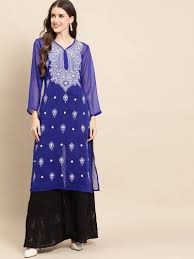
An embroidery technique that comprises intricate handmade designs being stitched onto lightweight airy fabrics is chikankari which originates from the state of Uttar Pradesh. It is a traditional embroidery style derived from the Persian word ‘chikan’ which means embroidery. It is usually done on lightweight fabrics like silk, muslin, and cotton.


Initially brought to India by the Persians, the technique was later adopted by the Mughals who used it to make garments for the nobility who made it an art form, so we could also say that the chikankari art flourished during the Mughal Era. Now it is a widely practiced embroidery technique that is also loved by the general population.


Floral motifs, paisleys, and geometric designs are some of the intricate patterns of embroidery that are done on the fabric. Mostly done in white or pastel colors the light weight of the fabric is the distinct feature of the chikankari which makes it perfect to be worn in summer. Its, crisp finished texture gives it a sophisticated look.


It takes days to finish making a garment because the process is highly labor-intensive because needs delicate embroidery which is one of the reasons that the fabric or garment is on the expensive side.

This post is part of #blogchatterA2Z 2023.

B’s in Indian women fashion


Talking about India’s rich history of women’s fashion, which dates back centuries, the vibrant prints and weaves that originated from small villages still stand leading their way on top of the most sought-after weaves. Not only popular within the Indian subcontinent, but some of these weaves are also considered souvenirs by tourists from across the globe.
Let us look at some of the Indian women’s fashion trends in B.


Bandhani

Image source meesho


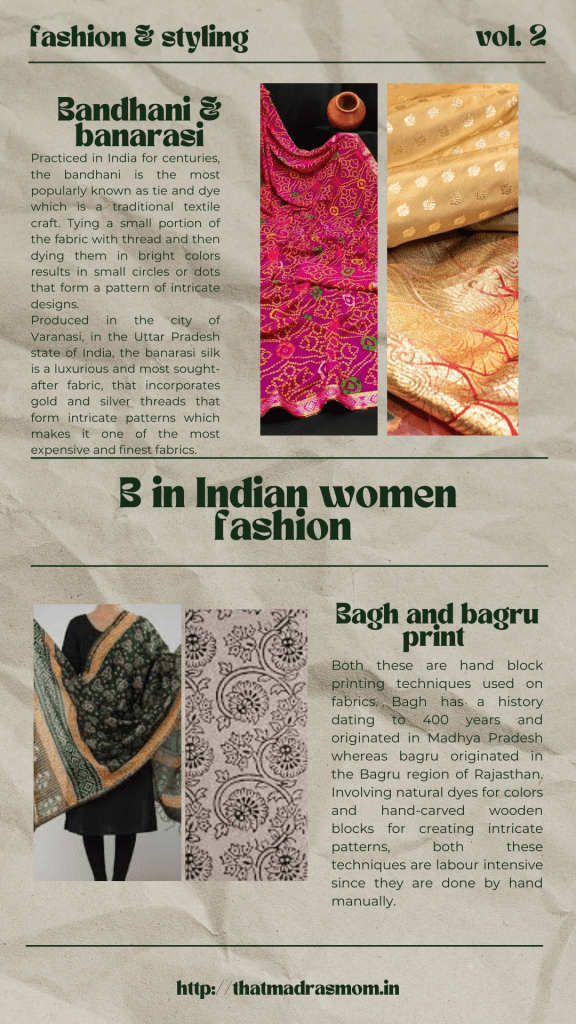
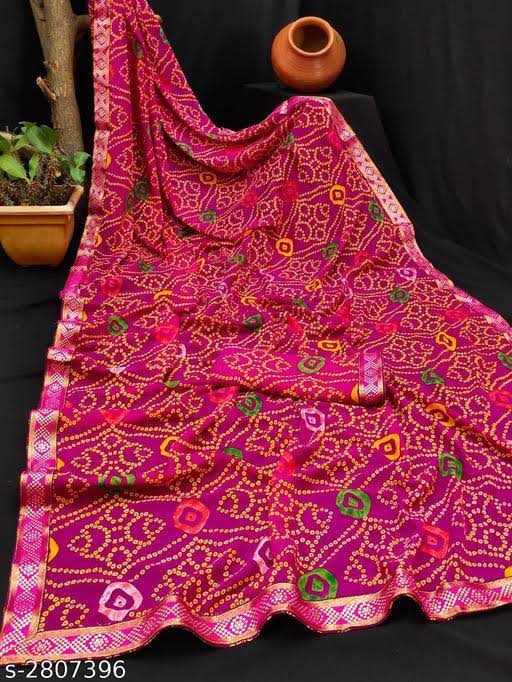
Practiced in India for centuries, the bandhani is the most popularly known as tie and dye which is a traditional textile craft. Tying a small portion of the fabric with thread and then dying them in bright colors results in small circles or dots that form a pattern of intricate designs.
Though Bandhani originated in the state of Gujarat, it is also being practiced in the neighbouring state of Rajasthan. The art of this weave has been passed along through generations and is one of the ways of earning an income. Traditional techniques and natural dyes are still being used for bandhani by many families in Rajasthan and Gujarat.


The unique patterns of dots, stripes, and waves which result in an intricate pattern often vary across the different regions in which this art is practiced. The bright and bold colors used reflect the mood of the occasion for which the fabric would be worn and often vary across geographies and availability of various natural dyes.


Requiring patience, precision, and creativity the bandhani is a highly-skilled craft, which is quite labor-intensive since each dot or circle is individually tied before being dipped in the dye obtained from plants and animals.
The beautiful and intricate textile craft of bandhani which reflects the cultural heritage of India is not only popular in India but also has a fanbase across the world. Designs incorporate modern twists to this ancient craft to adapt to contemporary fashion.


Banarasi silk


Produced in the city of Varanasi, in the Uttar Pradesh state of India, the banarasi silk is a luxurious and most sought-after fabric, that incorporates gold and silver threads that form intricate patterns which makes it one of the most expensive and finest fabrics.


Dating back to Mughal era, where Persian artisans were brought to Varanasi to create weaves for the royal court. The craft evolved over time, with the artisans incorporating local designs and motifs into the fabric. The fine quality, rich texture, and intricate designs make it highly prized among consumers.
The finest silk threads are woven in hand-operated looms which are enhanced using gold and silver threads that give the fabric more shine and luster. From floral motifs to geometric shapes, the threads are intricately woven to obtain desired patterns. Brocade, Zari, and meenakari techniques are used to weave into the banarasi fabric. Used to make traditional Indian costumes like sarees, salwar, and lehengas the banarasi silk is also used to make luxurious shawls and scarves. Often banarasi sarees are passed down as family heirlooms. The fabric is recognized as a geographical Indication(GI) by the Indian Government, which helps in protecting the unique identity of the product and prevents duplicates from being sold in the market.


Bagh and bagru prints

Image source itokri
Image source Amazon


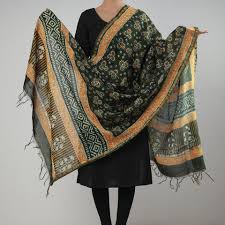
Both these are hand block printing techniques used on fabrics. Bagh has a history dating to 400 years and originated in Madhya Pradesh whereas bagru originated in the Bagru region of Rajasthan. Involving natural dyes for colors and hand-carved wooden blocks for creating intricate patterns, both these techniques are labour intensive since they are done by hand manually.


Once printing is complete, the fabrics are washed to remove excess dyes and fixatives.  The vibrant colors and intricate design on the bagh and bagru print fabrics are inspired by nature and traditional motifs. Both are eco-friendly and sustainable processes that make them a one-of-a-kind fabric.

This post is a part of #blogchatterA2Z 2023.
A’s in Indian women fashion

Dating back centuries, Indian Women’s fashion has a rich history. Be it the intricate designs, vibrant prints, or magnificent weaves, Indian women’s fashion is still evolving and offers a diversified range of styles and trends.
Beginning with A, I decided to pick out two styles and two weaves to discuss Indian Women’s fashion.


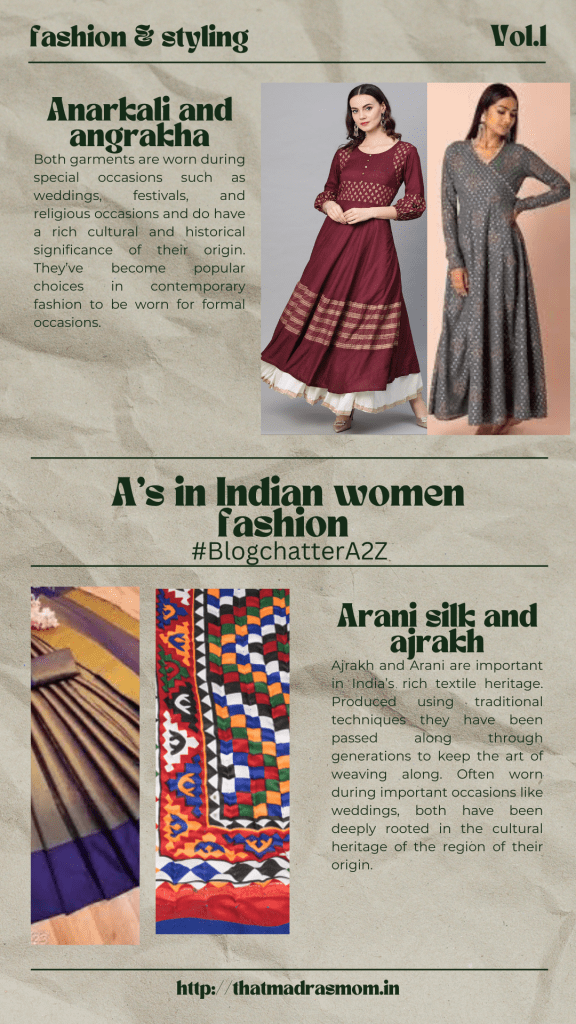
Anarkali and Angrakha


Being around for centuries, Anarkalis and Angrakhas are traditional attire with a rich history and are still in the limelight of contemporary fashion. Having been worn for special occasions like weddings and festivals to now being part of fusion wear, these Indian attires are not going anywhere out of trend.

Image source: Yash gallery


Anarkali, a long flowing dress was named after Anarkali, a famous dancer, and courtesan, who wore this attire when she performed for Emperor Akbar. It is said to have originated in the 16th century during the reign of the Mughals. Flaring out from the waist with a fitted bodice extending to the hips, the Anarkali attire is made of silk. Heavily embellished with sequins and embroidery on the bodice, the sleeves of an Anarkali can either be long or short and are usually made of sheer. It can be worn with a dupatta or as a dress in itself with just a scarf to accessorize or layer.

Image source : myntra


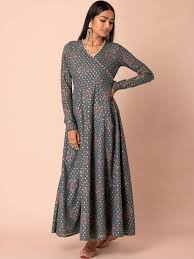
The Angrakha on the other hand, originated in the 18th century in Gujarat and Rajasthan. It was typically designed for men but was later adapted for women as well. Like Anarkali, the angrakha is a flowing skirt that flares from the waist but has a shorter bodice with a slit in the front. It’s usually made with light flowy fabrics like cotton and silk and often embellished with embroidery and vibrant prints for a grandeur look.


Both garments are worn during special occasions such as weddings, festivals, and religious occasions and do have a rich cultural and historical significance of their origin. They’ve become popular choices in contemporary fashion to be worn for formal occasions. Designers have also come up with modern twists making them into fusion wear, wherein the Anarkali can be worn as a floor-length gown and the angrakha is designed with unconventional prints and asymmetric hemline.


These attires have stood the test of time, and women wear them to be in connection with their heritage. Designers have adapted modern tastes giving twists to the attire in contemporary fashion.
This also is proof that these attire will remain popular for years to come and are timeless treasures.


Ajrakh and Arani silk


Known for their intricate designs and high-quality material, the Arani silk and Ajrakh prints are traditional Indian textiles that have been passed down for generations.

Image source : pixabay


Traditionally made, the ajrakh is a type of hand-block printed fabric from Kutch in Gujarat and Sindh in Pakistan. The fabric has been worn by generations of people in that region which dates to 4000 years. Cotton and silk fabrics are dyed with natural colors like indigo and Mudder and printed with intricate designs. It is then washed and dried a couple of times to achieve the desired pattern and color. The result is a fabric known for intricate geometric patterns and vibrant colors.


Considered a symbol of the wearer’s heritage the ajrakh fabric is often worn for weddings and religious occasions. The fabric has a deep cultural significance in the area it is produced. Sometimes used as a traditional remedy for certain ailments, the ajrakh is also believed to have healing properties.

Image source : meesho


Arani silk originates from the town of Arani in Tamil Nādu. Known for its high-quality and durability, it is used to make sarees and traditional attires. ‘Rehwa’, a process that involves twisting two threads to form a stronger, durable fabric is used in weaving the arani silk. The result is a fabric known for its lustre and softness.


Highly sought after for their beauty and quality, the arani silk sarees are worn during weddings, and religious occasions and are even passed along through generations as family heirlooms. Being produced in the Arani town for centuries it is a major part of the local economy.


Ajrakh and Arani are important in India’s rich textile heritage. Produced using traditional techniques they have been passed along through generations to keep the art of weaving along. Often worn during important occasions like weddings, both have been deeply rooted in the cultural heritage of the region of their origin. Prized for their beauty and cultural significance be it the lustrous beauty of Arani silk or the intricate patterns of Ajrakh, people around the world continue to be captivated.

This post is a part of #BlogchatterA2Z 2023.

Z’s which help in skincare

Z’s which help in skincare

The final alphabet, the final post for this season and the last of ingredients from this series of mine.
This was the most difficult alphabet for me to find ingredients, try out the DIYs and then put them out here.

So here they are, the Z’s which help in skincare.

Zucchini


Zucchini is a type of summer squash. This dark green vegetable also is rich in nutrients which help in maintaining good skin.


Zucchini is rich is water content and thereby it helps in maintaining great skin health.


Zucchini is rich in riboflavin which helps in maturing of collagen.


Synthesis of collagen is very essential for good skin health, hence the vitamin C in the squash that is present in abundance helps in collagen synthesis.


Collagen and elastin is very essential for radiant healthy looking skin. The production of latter is boosted by vitamin C which also helps in reducing cellular damage.


Collagen also helps in keeping skin firm and wrinkle free. So the vitamin from zucchini is very much essential.


Zucchini helps deal with summer heat and helps in hydration which is the reason it is known as summer squash.


The lutein in zucchini helps in dealing with inflammation. Thereby when inflammations are reduced, skin tends to be healthy. The damage to the skin from sun is minimized thereby the moisture barrier is left untouched. Which is the main reason to mention that zucchini helps in hydration.


The water content in zucchini is 95%, which makes it great for consumption as well. So in way you are contributing to the hydration through food so it also helps the skin.


The antioxidants help in protecting against free radical damage.

DIYS:


Blend zucchini peels with overnight soaked masoor dal. Apply on to face and wash off after 15 minutes.


Blend two tablespoons of zucchini paste with a teaspoon of oatmeal. Apply on to face and wash off after 15 minutes. This is for oily skin.


Blend two tablespoons of zucchini paste with one teaspoon of olive oil and oats powder and a egg yolk.Apply on to face and wash off after 15 minutes. This is for dry skin.


Slice zucchini and place them over the eyes and face. This is for reducing dark circles and also providing natural glow.

ZINC:


Zinc is a very essential mineral to be included for a healthy body and is also great for skincare, especially in fighting against acne.


When we term it essential it means the body cannot prepare or produce zinc and it needs to be included in daily diet.


It’s known as trace mineral because it is needed only in minute quantities on a day to day basis


Zinc helps fight against viruses and bacteria. Zinc also has anti inflammatory properties which help in healing the redness and sensitivity caused by acne.


It could also help in making the scars disappear.


Zinc protects skin from sun damage and is a common ingredient in the topically applied sunscreens.


Zinc works as an antioxidant but not technically. It helps fight against free radical formation and protecting the cells which helps in formation of collagen.

How can you include zinc in diet?


By including below in your daily food

Beans, nuts, whole grains, poultry and dairy products.

On another note, the body finds it easier to absorb zinc from animal based food than plant based because the latter has phytates which inhibits the absorption of zinc. So in that case you could consult a doctor to take a supplement.

As one of the DIY I’m sharing a smoothie that is rich in zinc.


ZINC SMOOTHIE

Blend the below ingredients

Nut milk two cups

One tablespoon of hemp hearts, coconut oil and vanilla essence

Mixed nuts 1/3 cup

One frozen banana

2 dates deseeded

Protein powder two scoops

3 teaspoon cocoa

You could add in stevia in case you do not prefer bitterness.


This post is written as part of Blogchatter’s A2Z challenge.

Y’s which help in skincare

Y’s which help in skincare

We’re almost at the tail end and yes its the day of the Y. So what could I think of for Y. I did manage to find some that would help you out and I hope all the ingredients mentioned from A-X and the DIYs were useful. Do let me know if you would want me to write about anything in particular.

Let’s get to the topics and take a look at the Y’s which help in skincare.

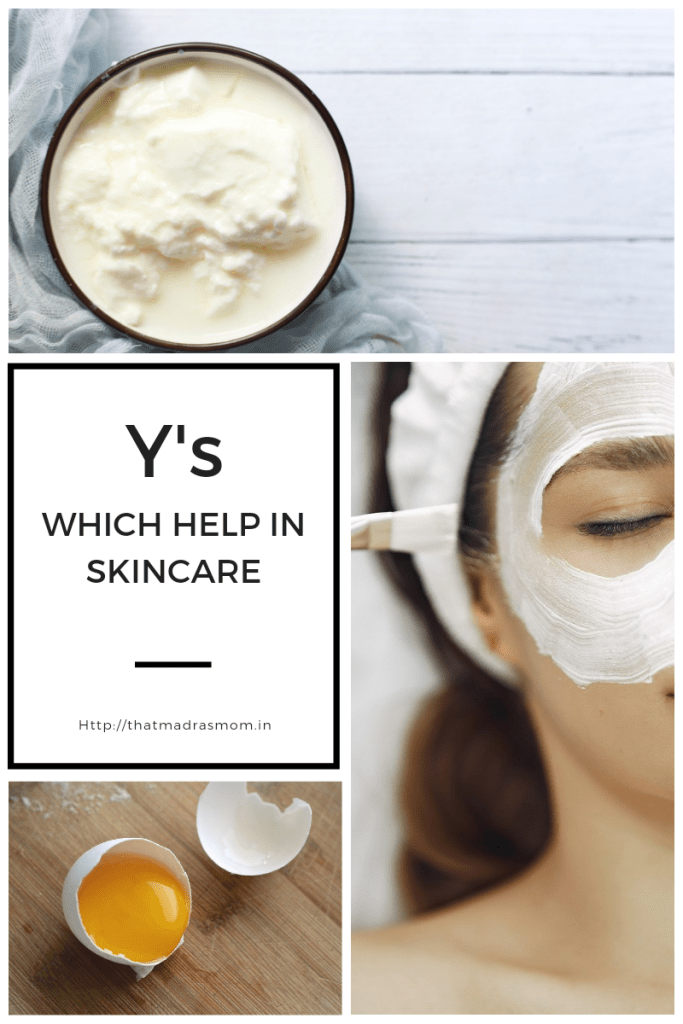
YOGURT

The always available ingredient in fridge is also the fountain of youth. Its a rich protein source. So protein be it when applied or if consumed helps in repairing skin cells. It makes the skin appear more radiant and youthful.

What protein does to the body when consumed like strengthen ,repair and nourish is what it does when applied topically over the skin.

The lactic acid in yogurt helps in shrinking pores and tightening skin thereby having an effect in reducing the fine lines and wrinkles.

It has great exfoliating properties and guarantees transformation of dry skin to smooth skin.

Rich in vitamin B it makes skin glow and also aids in skin cell growth and regeneration.

The probiotics present in yogurt help in healing inflammation due to sunburns.

The zinc content helps in regulation of oil secretion and keeping breakouts at bay due to which it is best suited for oily skin.

On the whole yogurt is an all round multitasker when it comes to beauty.

DIYS

1.Crush some rose petals and add in rose water. Mix in a teaspoon of yogurt and honey. Apply on to face and wash off after 15 minutes.

REDUCE SUNBURN IRRITATION: Mix in few drops of chamomile oil to half a cup of yogurt. Apply on to face and wash off after 15 minutes.

2.PIGMENTATION: Add in few drops of lemon juice to half a cup of yogurt. Apply on to face and wash off after 15 minutes.

3.SLOW DOWN AGEING: Mix in a teaspoon of olive oil to 3 tablespoons of yogurt. Apply on to face and wash off after 15 minutes.

4.Mix in a tablespoon of oats to 3 tablespoons of yogurt. Let it soak and mash. Apply on to face and do gentle circular motions of scrubbing before washing off.

5 MOISTURIZER: Mix in a tablespoon of cocoa and honey to 3 tablespoons of yogurt. Apply on to face and wash off after 15 minutes.

6, ACNE AND DARK CIRCLE : Dab cotton pad in yogurt and apply on to affected area for acne. Similarly apply under the eyes for dark circles.

IRRITATED SKIN: Mix in a tablespoon of honey and aloe vera gel to 1/4 cup of yogurt. Apply on the specific area and wash off in cold water post 15 minutes.

OILY SKIN: Mix in 1/2 teaspoon of honey and turmeric powder to half a cup of yogurt. Apply on to skin and wash off after 15 minutes.

EYEBAGS AND DARK CIRCLE: Blend half a cucumber with half a cup of yogurt. Apply under the eyes and wash off after 15 minutes.

YOLK:

The egg yolks are rich in fatty acids which help in providing necessary hydration for the skin and helps in moisture lock.

The yolk is best suited ingredient for dry and dull skin.

Hydration, nourishment and moisturisation is what the egg yolk helps in providing the skin.

DIYs:


Mix in half a mashed avocado an egg yolk and a teaspoon of yogurt. Apply on to face and wash off after 15 minutes. This is for skin glow.


Mix in a teaspoon of honey, almond oil to an egg yolk. Whisk it until it froths. Apply on to face and wash off after 15 minutes. This is for acne.


Mash one ripe banana. Add in a teaspoon of olive oil and an egg yolk. Mix well and apply on to face and wash off after 15 minutes.


Supple skin: Mix in an egg yolk, few drops of rose water, one tablespoon of honey and a pinch of turmeric. Apply on to face and wash off after 15 minutes.


Please be very careful to not get the yolk into the eyes, nostrils, ears and mouth to avoid salmonella infection.

YELLOW BELL PEPPER:


This beautiful vegetable in itself is a wonder ingredient for youthful skin. Yes it is, but not by applying it on skin. But by consuming the vegetable in itself it weaves a magic to keep skin looking younger and youthful.


Collagen from vitamin C present in yellow bell peppers helps in keeping the skin firm and guards the cells from getting damaged. Bell peppers help in skin protection from free radical damage.


Antioxidants and the phytochemicals which are present in abundance help in making the skin appear youthful.


The antioxidants helps in reversing the signs of ageing. Making skin appear firmer and youthful by fighting against sun and free radical damage which involves no formation of fine lines or wrinkles.


Carrot and bell pepper combination is said to even out blemishes and improve skin tone.

This post is written as part of Blogchatter’s A2Z challenge.

X’s which help in skincare

X’s which help in skincare

Today we talk about X’s which help in skincare. I chose to write about the two main processes which help in keeping skin clear and healthy. Of course , yes I’d also include ingredients at home that can be used in these processes.

DETOX

Skin detox


In the fast paced world we expose skin to dirt, pollution, makeup and chemical exposure. This in a way is a reason for clogged pores. We usually mention the term “DETOX” only for the body, but it’s time that the skin also needs to be included. Because the skin is your largest organ and needs to have a detox as well.


The skin helps protect against infection, excess water loss, production of vitamin D and helping in regulating the temperature of the body.


Swelling, itching, breakouts and redness are results of skin erupting because of not doing a detox. But on the other hand if detox is being done religiously and on a regular basis, you could reverse the adverse effects and in fact help in boosting skin health.

FACTORS:


STRESS: Stress often brings out its effects in the form of acne and inflammation.

SUGAR: If in take of sugar is more, it could result in breakouts and pimples.

LIFESTYLE: improper sleep cycle, inadequate hydration , drinking and smoking also have adverse effects on skin.

SIGNS THAT YOU BADLY NEED A DETOX:

  • Dry and dull skin.
  • Patches and blemishes
  • Wrinkles and sagging
  • Oily skin
  • Sensitive and dry skin

WAYS TO DETOX:


WORKOUT: Exercising indirectly contributes to skin detox. When you exercise you sweat it out and that helps in flushing out toxins.


FACIAL OR SPA: Taking up a facial at home or at a parlour or going for a spa actually helps in skin detox.


HYDRATE SKIN INSIDE OUT:
Hydration from inside involves drinking adequate water.
Hydration from outside is applying moisturizer or a serum that suits your skin type. Make sure to do it twice.
Also when you use a serum it not only helps in hydrating the skin but in a way it also helps in better absorption of other skincare products.


CLEANSING:
Cleansing is a great way to remove off dirt and make up form skin. Ensure to do a double cleansing and make it part of your daily skincare routine.


TONER:
Toners help in eliminate any residue oil from the cleanser, It prepares the skin for the products that follow. It helps in maintaining the pH of the skin. Also helps to shrink the pores.


EXFOLIATION:
Exfoliation is done to remove the dead skin cells and dirt. This is one of the secrets to glowing skin.


MAKE LIFESTYLE CHANGES
Give up on alcohol and smoking. Smoking causes the fastening of the ageing process.
Alcohol promotes dehydration . So both are a no-no if you want clear skin.


CUTTING DOWN ON SUGAR:

Sugar consumption in excess is one of the major reasons for breakouts and acne. Cutting down on sugar helps in a great way to maintain good skin. Fruits and dark chocolates would be great alternates for your sugar craving.

STEAM:

Going in for a hot steam helps to open pores and release the dirt and other residue.


BALANCED DIET: Eat a well balanced diet that include more of fruits and vegetables. Limit intake of carbohydrates, sugar loaded food and fried food.


PROPER SLEEP CYCLE:

Skin needs its repair time just like the body. Dark circles would first pop out indicating that the skin doesn’t have enough repair time and needs a detox badly.


DETOX BATHS:

You could also go in for detox baths like adding epsom salt, ACV, sea salt or coffee grounds to warm bath water and enjoy a relaxed bath.


SWITCH FROM CAFFEINE : Make a switch to eliminate caffeine and to include green tea. You will start noticing wonders.

DETOX DRINKS:


VITAMIN C: Squeeze in some lemon juice in two liters of water. Add in some pineapple, kiwi amnd let it infuse. Drink it the whole of the day.

ACV water: Mix two tablespoons of water to 2 liters of water. Not more than two tablespoons of ACV a day , keep that in mind.

TURMERIC WATER: Add 3-5 fresh turmeric slices in two cups of water and boil. Add some honey before drinking if needed.

EXFOLIATION:

Skin exfoliation


Exfoliation is the process of removing dead skin cells from the external skin. It helps in brightening the skin by removing the dirt, boosting blood circulation and improving the appearance of the skin.


Types of exfoliation


MECHANICAL: Mechanical exfoliation involves removing the dead skin cells using a scrub, brush or a sponge.

CHEMICAL : This involves using acids like AHAs and BHAs.


More details on exfoliation here.

DIY Scrubs:

  • Blend a cup of strawberries, two drops of ACV, half a cup of yogurt and half a cup of almond powder. Apply on to face and wash off after 15 minutes.
  • Mix in half a teaspoon of lemon juice and water. Add one tablespoon of salt. Apply on to face and gently scrub and wash off.
  • Blend one kiwi, two tablespoons of brown sugar and add in a teaspoon of olive oil. Apply on to face and wash off after 15 minutes.
  • Mix three tablespoons of coffee grounds to a cup of yogurt. Add in some honey and apply on to face. Gently scrub and wash off after 15 minutes.
  • Mix in two teaspoons of tomato pulp, yogurt and a teaspoon of lemon juice. Apply on to face and wash off after 15 minutes.

This post is written as part of Blogchatter’s A2Z challenge.

W’s which help in skincare

W’s which help in skincare

We’re almost at the final leg. Today’s post is on W. The same time last year, I went into labour last year as I was typing my post for W. Brings back nostalgic memories.


Today lets look at the ingredients in W that help maintaining great skin. For a bonus I’m also giving you all winter skincare DIYs from ingredients at home. Thank me later.

WATERMELON

Watermelon


High water content in watermelon can help in hydrating skin from within and make it smooth and supple. It’s a boon for people with dry and flaky skin.


Watermelon is a natural toner that can help in shrinking of body tissues.


The presence of antioxidants like lycopene , vitamin A and C help in fighting against free radical damage. Hence watermelon has great benefits for anti ageing.


Watermelon also encourages boosting production of collagen and elastin which help in making skin look young and firm.


Vitamin A in watermelon helps in shrinking pore size thereby reducing the oil storing capabilities. Hence this results in reduction of acne.


The lycopene and beta carotene help in protecting against sunburns.

DIYS:


ACNE PRONE SKIN: Mix a tablespoon of watermelon juice to one mashed banana. Apply on to face and wash off after 15 minutes.


OILY SKIN:Blend half a cup of watermelon with a tablespoon of honey. Apply on to face and wash off after 15 minutes.


DRY SKIN:
Blend a teaspoon of yogurt with 4-5 slices of watermelon. Apply on to face and wash off after 15 minutes.


ANTI AGEING:
Mix in a tablespoon of watermelon juice to half a mashed avocado. Apply on to face and wash off after 15 minutes.


BRIGHTENING PACK: Blend two tablespoons of curd with 4-5 slices of watermelon. Apply on to face and wash off after 15 minutes.


GLOW MASK: Mix in a tablespoon of watermelon juice and raw milk. Dab a cotton pad in this mixture and apply on to face. Wash off after 15 minutes.

WATER


Adequate amount of water consumption is essential to maintain well hydrated healthy skin.


Only if enough water is consumed the essential nutrients get circulated around the body.


It will also help in improving skin elasticity and make it supple so you do not age prematurely.


Water helps in flushing out toxins and keep skin clear from any infection.Helps in keeping acne and breakouts at bay.


Drinking enough water helps in tightening the skin and therefore makes skin look more firm.


Water helps in maintaining the natural pH of the skin.


Water helps in reducing dehydration therefore makes eyes look sparkly and also reduce the puffiness around the eyes.


Intake of adequate water helps in maintaining healthy gut and thereby aids good digestion.

HOW TO INCLUDE WATER?


LEMON:You could squeeze in lemon juice on your salads or even infuse lemon in drinking water.


GINGER: Adding ginger to tea concoction can aid in digestion and reducing inflammation.


CINNAMON: Infuse cinnamon sticks in water. Helps cut down on sugar craving and also regulate blood sugar levels.


HONEY OR ACV: Adding few drops of honey or ACV will help in clearing out acne.


MINT: Mint aids digestion and is great for detox. Infuse few mint leaves in water overnight for a refreshing day ahead.


What kind of water for skin? It is always best to use lukewarm water on skin.

WINTER SKIN DIYS

Winter skincare


Winter is known to be harsh over the skin. And if you already have dry skin then winter is definitely a season that you don’t wish for.

DIYs

MILK AND ALMOND: Mix in 3 teaspoon of almond powder to two tablespoons of milk. Apply on to face and wash off after 15 minutes.


YOGURT AND HONEY: Mix in a tablespoon of honey to half a cup of yogurt. Apply on to face and wash off after 10 minutes.


COCONUT OIL: Coconut oil is a great moisturizer. Apply a light layer to see smooth skin.


STRAWBERRY: Blend 2-4 strawberries with two teaspoon of fresh cream and a teaspoon of honey. Apply on to face and wash off after 15 minutes.


BANANA AND MILK: Add in a tablespoon of milk to mashed banana. Apply on to face and wash off after 15 minutes.


ALOE VERA AND SESAME OIL: Mix in a tablespoon of aloe vera gel to a teaspoon of sesame oil. Apply on to face and wash off after 10 minutes.


CARROT AND HONEY: Mix in a tablespoon of honey to one pureed carrot. Apply on to face and wash off after 15 minutes.

This post is written as part of Blogchatter’s A2Z challenge.