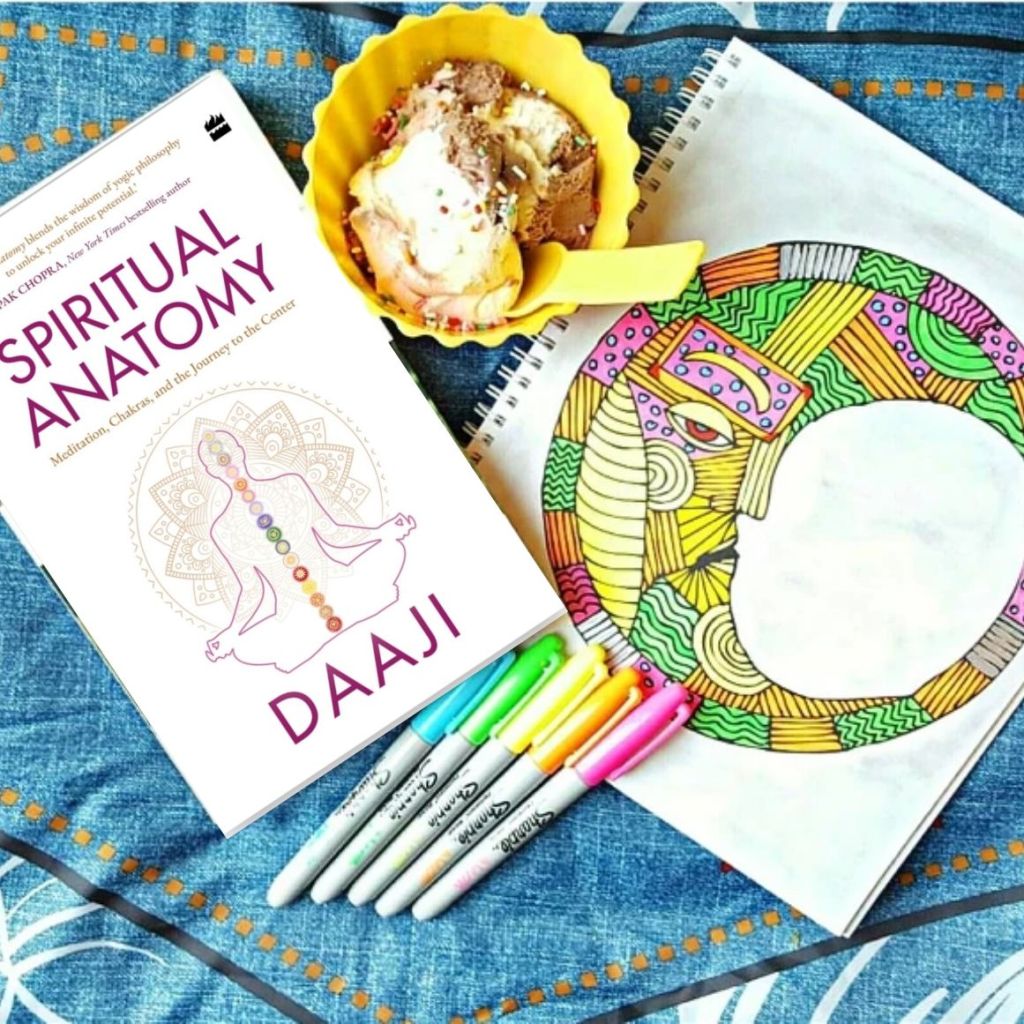
Book review of Spiritual Anatomy

For someone who only knows about the number of chakras inside us. I’d say this book will be my ABC to learn more about it, how to locate it, and how to mitigate it. When we talk about well-being we often get to think and act only on physical and mental well-being.

But I used to wonder when people keep talking about spiritual wellness, what would that be and why is it being discussed by many? Well, this book made me understand why and why not I should give it a go. Gone are the days when we presumed spirituality talks were only for older people. This book changed my perception and if it is anything about wellness, I’m game.


When I started reading this book, it raised a lot of eyebrows. Being an avid reader, it has been habitual for me to carry it along, so the book traveled with me during cab rides, and play dates, and were not. So, when I mentioned raised eyebrows, it was all the presumed notion of why she is reading about spirituality at this age. I laughed it out, because rather than wasting time on explaining why to them, I’d rather enrich myself in the words of Daaji.
The book is divided into three parts – Read and Enjoy, Do and Feel, Meditate and Transcend. I was impressed when I read the introduction, the idea of consciousness to be taken on a journey fascinated me. The simple and natural process as explained by the author will promise you that you can achieve it.
Read and Enjoy: The chapters under this topic explore the significance of spiritual anatomy and the origin of the soul.
Do and feel: This section will give you an overview of heartfulness practice, and explain the chakras- their characters and tips to overcome limitations on consciousness.
Meditate and Transcend: Throughout the spiritual journey, it could be made easier with an atlas, as it gives you a picture of experiences and the conditions during the journey.


The sections ask Daaji and self-reflection to help you with a deeper understanding of what was learned, questions that would arise after learning through the chapter, and replies from Daaji on the same.


Heartfulness essential practices is my favorite chapter in the book where we learn techniques that evolve consciousness and ways to integrate the spirit into everyday life. The only things that are needed for you to get involved in these practices are your willingness and interest. All you need is just ten minutes in your day-to-day routine to include this practice.

The mere mention of the word inventure which translates to the inner adventure will convince you to take a chance on this amazing transformational path. A simple questionnaire from Daaji will help you to locate how far you have traveled in this inventure.


The book leads you on a path to sustainable joy. The book will encourage us to integrate our fragmented lives. Natural freedom and miraculous happiness can be discovered through awareness and meditation.


Daaji blends ancient wisdom and modern practices making spirituality accessible and relevant. The book also bridges the gap between spirituality, science and personality experience.

About the Author

Kamlesh D. Patel, affectionately known as Daaji, has been the global guide for the heartfulness movement since 2014. Daaji is the spiritual leader of Shri Ram Chandra, a meditation organization with practitioners in over 150 countries. He is also fourth in line of raja yoga (which is known as “royal yoga”). His followers include the president of India, Ram Nath Kovind. He is the author of numerous books, including USA Today Bestseller Heartfulness Way (New Harbinger, 2018) and Designing Destiny (Hay House, 2019).  While balancing his spiritual journey, Daaji was also a successful pharmacist in New York City, and is married with two sons.

Buy here.

This book review is part of Blogchatter’s book review program.

Can emotional wellness be engrained in our kids?

As much as we stress physical wellness in kids, it is time that their emotional wellness is considered equally important. The ability of the child to recognize, understand, and manage feelings effectively is termed emotional wellness. This process of cultivating emotional wellness in kids is dynamic and developed over time through experiences and interactions.


It is an ongoing process that the child goes through while being nurtured and developed, it cannot be compared to facts and knowledge that gets engrained. Living in a fast-paced world, it is of utmost importance that emotional wellness is taught to kids to manage their emotions or feelings with tools in a healthy way.


To thrive well in all aspects, build strong relationships, and be better equipped to face challenges children must be taught to be emotionally resilient. We as parents must use strategies to bring up kids who are good with emotional wellness and assist in creating a strong foundation for their journey into emotional wellness.

These strategies will help instill emotional wellness in kids in the long run.


Being a role model


We as parents or caregivers are their first role models. We play a major role in shaping their emotional well-being. Demonstrating emotional intelligence by acknowledging and expressing feelings healthily is the first step. Discussing what we feel and how we express, models how we emotionally express ourselves and makes them understand the safe space where they can express themselves freely.
The heart of family life is love, acceptance, and security which the child must understand does not depend on their accomplishments. Mistakes or defeats must be accepted and expected. A home that is full of unconditional love and affection is where confidence finds its way.


Nurture their self-esteem and confidence


Setting realistic goals: children when young need realistic goals that help match abilities with ambitions. Old children can increase their self-confidence by choosing goals with your help which also tests their abilities.


Praise them: Encouraging the child in the initial steps will make them want to learn more and explore. Giving them a safe space to explore, assuring them often through interaction and smiles will let them know they have your attention which in turn builds their self-confidence.


Being honest: We should never hide our feelings and let them know about failures. This will help them understand that mistakes do happen and adults make them too.


Avoid sarcasm: When the child faces defeat, talk to them to understand how they feel. They need a pep talk when they are upset. Assure them later when they are ready to talk.


Skills that can be taught: Empathy, communication, and self-regulation are emotional skills that can be taught and practiced. We parents or caregivers can provide children with opportunities to practice the same.


Resilience: It is the ability to bounce back from adversity which can be taught by helping kids understand how to cope with defeats, setbacks, disappointment, and stress healthily.


Individual differences: Every child is unique, wherein their level of emotional development may vary. Some children who are naturally more resilient may cope well whereas some might need more guidance and help. We must recognize these differences and handle them accordingly.


Fostering open communication: Open and honest communication is the foundation. This will enable the child to share their feeling both positive and negative. We as parents should not jump to conclusion rather listen to them attentively and ensure them that their emotion is valid. If this is done the kid will understand that you are their safe space to open up.


Emotional literacy: Teaching them different emotions by labeling them appropriately will help them understand what they are going through and how it can be processed. Books or charts can be beginner tools that the child can use to point out what they feel.


Mindfulness and relaxation


To manage stress and anxiety children can be taught simple mindfulness and relaxation techniques. Breathing, yoga, and meditation techniques will help them be more aware of emotions and handle them effectively. These techniques can be introduced in a child-friendly way.


Limit screens and emphasize outdoors


Excessive screen time can harm their emotional well-being. Encouraging them to spend more time outdoors in physical activities and nature connect can help in fostering healthy emotional well-being.


Empathy and compassion


A vital component of emotional wellness is empathy. Understanding and caring about the feelings of others can be taught to kids by letting them know about perspectives and helping them to look at the world from other viewpoints. Making them engage in volunteering and helping people in need will make them practice empathy.


Problem-solving by resolving conflicts


Kids must be encouraged to solve problems and resolve conflicts from an early age. This will help them understand what they need, how to make people understand, listen to others, and work towards their goals.


When we talk about nurturing emotional wellness in kids, it is a lifelong process that happens dynamically. It cannot be taught overnight. It needs lots of patience, understanding, and consistent efforts from parents. It is a complex world out there, so we as parents can give them tools to handle their emotions healthily.

Encouraging open communication, and empathy, raising self-confidence, making them practice mindfulness, and providing them a supportive space are some of the ways we can help them. But being unique every child takes their time in the journey of emotional wellness. We should be there to guide them and provide them with our empathetic presence, develop resilience, and help them lead a life that is fulfilling and emotionally healthy.

This post is a part of Truly Yours Holistic Emotions Blog Hop by Rakhi Jayashankar and Roma Gupta Sinha’.

10 Essential Self-Care Practices for Women: Nurture Your Mind, Body, and Soul

We as women often find ourselves juggling multiple responsibilities ranging from careers to relationships to family and social obligations because we live in a fast-paced and demanding world. It becomes increasingly important to prioritize self-care, nurturing the mind, body, and soul amidst the chaos of our daily lives. We can better show up for others and lead a more fulfilling life only when we take time to care for ourselves.

Let us explore ten essential self-care practices that empower women to achieve holistic well-being.


MOVE YOUR BODY REGULARLY


Physical activity is essential not only for your body but also for your mental health. There are a lot of ways to enjoy moving your body which can be yoga, dance, jogging, or any form of exercise that brings joy to you. When you exercise it releases endorphins which help boost your mood and alleviate stress.


NOURISHING BODY WITH BALANCED NUTRITION


A well-balanced diet is crucial for overall health. Include a variety of fruits, vegetables, whole grains, lean proteins, and healthy fats which are nutrient-dense food options. Make sure you stay hydrated, and limit the intake of processed food and excessive sugars.


PRIORITIZE SLEEP AND REST


Sleep is essential for our overall health and well-being. Make sleep a priority by setting a consistent bedtime routine by creating a calming bedtime environment and a proper duration of 7-9 hours of restful sleep each night. Throughout the day recharge yourself by incorporating short breaks and a few moments of relaxation.


CULTIVATE MINDFULNESS AND MOTIVATION


Amidst life challenges for us to be present and stay grounded practicing meditation and mindfulness is very much essential. We must try to make time each day for deep breathing exercises, meditation, or even simply a few moments of being mindfully aware of what is happening in the present around us. Following these practices will help promote a sense of inner peace, reduce stress, and enhance emotional resilience.


DAILY PRACTICE OF GRATITUDE


Practicing gratitude daily will help in shifting your focus towards positivity and give you a feeling of contentment and happiness. So, make sure to take your time each day to reflect on what you are grateful for.

UNPLUG FROM TECHNOLOGY


Constant exposure to screens and digital media can be overwhelming. So, make sure to take your time off, where the choice of duration is yours as it can be a few hours or a full digital detox over the weekend. Make use of this time to connect with nature, giving your mind a fresh perspective by doing some gardening, reading a book, or even engaging in face-to-face conversation.

ENGAGE IN CREATIVE EXPRESSION


Find yourself an outlet for creative expression in the form of writing, drawing, crafting, or even any art form. Engaging yourselves in any art form will help in giving you a sense of fulfillment because it feels therapeutic.

SET BOUNDARIES AND LEARN TO SAY NO


Setting healthy boundaries is one of the first steps in self-care. Women need to be everything for everyone, that is how we mostly feel which leads to little time for ourselves. We need to focus on what truly matters and preserve our physical and emotional energy which can be achieved only when we learn to say no to excessive commitments. We should start to think that learning to say no is an act of self-respect and not being selfish.


EMBRACING THE POWER OF CONNECTION


It is always good to have yourself surrounded by people who give you positive vibes. Build a social network of friends or peers who help in uplifting and inspire you. Cultivating meaningful connections and not being afraid to seek help when needed. Connecting with others can help improve mental and emotional well-being and provide a sense of belonging.


SEEK PROFESSIONAL HELP WHEN NEEDED


On a final note, when you are struggling with your mental and emotional well-being do not hesitate to seek help. Talking to a therapist or a counselor helps in support and guidance to help navigate through life’s challenges with resilience.


Nurturing the mind, body, and soul through self-care is a necessity for women and not a luxury. Incorporating these ten practices is essential and helps in making a strong foundation for our overall well-being. Imagine self-care as a journey so it is fine to start small and gradually build on the habits. When you prioritize yourself, you will find that you can better manage the demands of life and embrace yourself in a version that is filled with happiness and good health.

This post is a part of Wellness Hour Bloghop by Rakhi Jayashankar and Swarnali Nath.

Book review of ‘Tiny habits massive results’

BLURB

“7 (plus a pro-habit) Tiny Everyday Habits that have a Powerful Impact on our Lives Other than the random element of luck, what differentiates successful people from the rest are their Habits. They cultivate certain habits which contribute to their happier and healthy life. Learning these habits and how to use them in your life is rewarding. In this book, you will learn about simple yet impactful lifestyle habits that separate achievers from regular people. These tiny habits have a transformative effect on your physical and mental health, career, your relationships, and life.

REVIEW

Self-help books always have a special corner when I’m choosing books for my next read or to be added to my TBR. Especially when it is a book concerning habits then there is no looking at blurb I simply pick it up and start reading it.


This book ‘Tiny habits massive results ‘ by Jaishree Nenwani is the first by an Indian author that I picked up centred around habits.
Habits truly define the person that we are. And they are also the things that make you stand apart from other around us. Leading a healthy and happy life is not just about food and exercise but also the habits that you’ve cultivated over a period of time.


When you meet someone and you get inspired make sure you also get to know what is that one thing that makes them stand apart which would ultimately be the habits that form their lifestyle. Make sure to see if you can incorporate them into yours.


The author gives you tips on how to include them and make them part of your routine. These tips are simple ways to bring in a change to our lifestyle to lead a healthy and happy life. Though they might be tiny habits but the changes they bring in is massive.


Processing grief was a major problem that I was facing a year back. But I attribute the small changes that I brought in which helped me manage the grief processing. If you are someone who is still yet to dive into the inclusion of new habits in your routine, do not worry. Jaishree will handhold you with starting to explain what is a habit, why is it important to develop them, how to form one and the seven habits that are going to have a great impact on your life. As a pro tip she gives you an extra edge with a tip that’s actually the cherry on top for which you will have to pick the book.


Explaining the seven habits the author not only let’s you know how important it is to include that habit but also ways on how you can make it part of your regular routine so that you don’t miss doing it each day. I loved how she chose to keep it simple by citing instances from her life which would make it more relatable when you read through the book.


Overall, if you are a beginner or a pro looking at making changes in life by bringing in new habits I’d suggest this book will be your guide to discover a new you.

ABOUT THE AUTHOR:

Jaishree is a millennial blogger curating inspired wisdom that guides people to go deep and make a shift in their thoughts. She is passionate about journaling and loves to share wisdom and journaling tools that invoke deeper authenticity and Personal transformation. On her blog (https://getsethappy.com) she writes about Self-improvement, Personal growth and ways to become happier in your life.