L in Indian women fashion

A diverse field steeped in culture and tradition Indian women’s fashion comprises a range of styles and influences from modern-inspired dresses to traditional sarees. Deeply rooted in the culture, it also evolves with changing economic and social trends.


Let us look at Indian fashion trends in L.


Lehenga
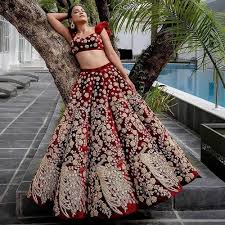
Image source Peachmode


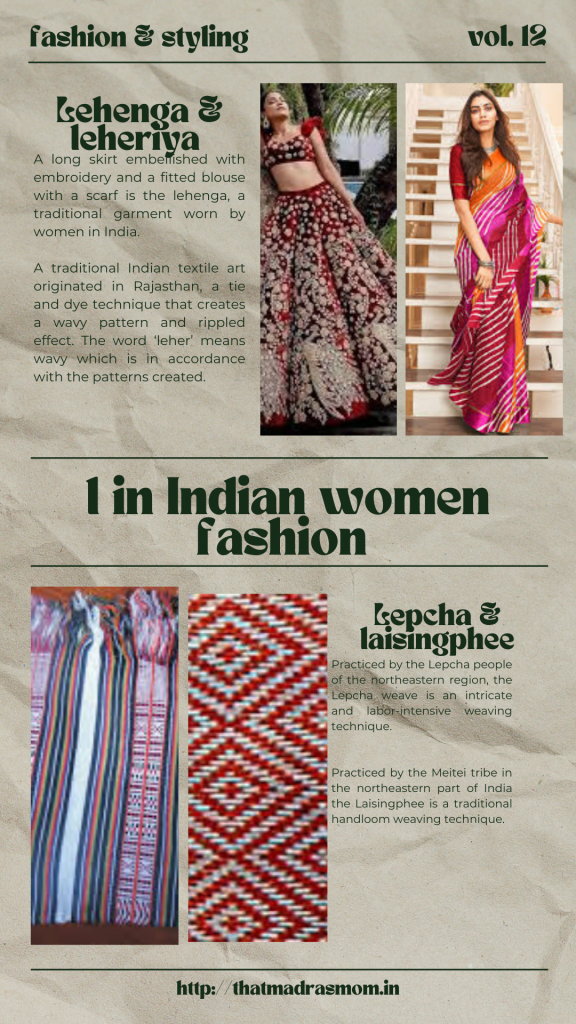
A long skirt embellished with embroidery and a fitted blouse with a scarf is the lehenga, a traditional garment worn by women in India. Depending upon the fabric and colors, the lehengas come in various styles and are worn for weddings and special occasions.


Tracing back the origin to the Mughal Empire, the wives of the royal family were known for their love of extravagant clothing. A sign of wealth and luxury, the garment was worn by the affluent class and royalty.


The lehenga trend soon caught on and it became a popular choice for the bride and the bridesmaids. The garment has also undergone a lot of changes with the passing times, with respect to fabric, embroidery, and so on.


The A-line, circular, and mermaid are some of the types of lehenga which are most sought-after by the younger generation these days. Whether it is a wedding or a special occasion, the lehenga will make heads turn to your side.


Langa Voni


The langa voni or the half saree is a traditional attire worn by adolescent girls in South India. You can read more about it here.


Leheriya

Image source karagiri


A traditional Indian textile art originated in Rajasthan, a tie and dye technique that creates a wavy pattern and rippled effect. The word ‘leher’ means wavy which is in accordance with the patterns created.


The local artisans in Rajasthan introduced the art in the late 18th century, initially created using natural dyes and colors. The bright and bold colors symbolize the vibrant colors of Rajasthan. The fabric is twisted like a rope and tied at certain intervals post which it is dyed. The leheriya is now incorporated into modern fashion. Though synthetic dyes are now being used, the local artisans still prefer natural dyes for the fabric.


Lepcha weave
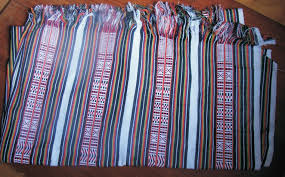
Image source government of Sikkim


Practiced by the Lepcha people of the northeastern region, the Lepcha weave is an intricate and labor-intensive weaving technique. It uses natural fibres like cotton, silk, and wool. The use of natural dyes from plants, roots, and berries gives vibrant colors to the fabric. Simple designs like stripes and checks to complicated designs like geometrics designs are woven by the artisans. The weave is an integral part of Lepcha culture. The government has taken steps to preserve and promote by enabling artisans to sell their products online.


Laisingphee weave
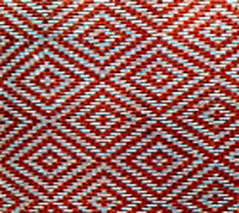
Image source of asiainch


Practiced by the Meitei tribe in the northeastern part of India the Laisingphee is a traditional handloom weaving technique. It uses a fly shuttle loom and natural fibres like cotton and silk.


A high level of skill is required to operate the fly shuttle loom and to achieve the desired pattern the weaver must use a good combination of speed and precision. Natural dyes like indigo, turmeric, and madder root are used to achieve bright and vibrant colors in the fabric.


An important part of the Meitei culture, the laisingphee is used to make clothing and even home furnishing materials.

This post is part of #blogchatterA2Z 2023.

E’ s in Indian women fashion

An essential part of the country’s rich cultural heritage especially when keeping in mind fashion, ethnic wear, and jewelry are things that hit the chord. Especially in a diverse country like India which has a rich cultural history you are limitless with the options you have when it comes to dressing up and following it up with accessories. Let us look at some of the famous ethnic dresses and jewelry in Indian women’s fashion.


When you turn back and look you may notice a wide range of styles, patterns, and designs when it comes to ethnic wear. Be it the fabric, the craftsmanship involved in weaving, the type of occasion whatsoever, you name it, and Tada! You have a dress and a matching accessory. Snap and which land are you in? Well, the answer can be said out loud beaming with pride that it’s India.


From Sarees, salwars, kurtas, lehengas, and half sarees Indian ethnic wear for women has a never-ending list of options. Each of these has a unique charm and adds beauty to the person who wears it.


Saree

Image source pixabay


The saree is a long piece of fabric that is draped around the body and paired with a blouse. Depending upon the place of living, and type of occasion the saree is available in a variety of materials and there is one for everyone. There are silk sarees for weddings, cotton sarees for everyday wear, and georgette sarees for a party. Embellished with sequins or stones the sarees are made to look more grandeur.

Pairing them with different blouses ranging from halter necks to tank tops gives you a truckload of options for fusion wear. Leave the blouse pairing, the type of drape is a whole new chapter that will give you ideas to drape the same saree in about 20+ styles without making people guess that you’re wearing the same thing over and over again.

Wait, and don’t worry if you can’t get the drape right, we Indian women have a solution even for that. We now have businesses that sell one-minute sarees. You just must clip and swish two rounds and be done. You will look like someone who hired a professional to drape your saree. It all becomes so easy that you only have to choose the saree, give them your measurements, and in two days land your Cinderella costume. And for a bonus, some of them even come with customized blouses how cool is that? And if your curves give you insecurity worry not, you have saree shapewear that literally will make you go unrecognizable.

Salwar kameez


A tunic paired with loose-fitting pants makes it a breezy garment. Most women resort to this for everyday wear. It comes in a variety of fabrics and different stitching styles. This can be paired with a dupatta or even a scarf.


Lehenga

Image source pixabay


Predominantly worn for special occasions like weddings, the lehenga is a long skirt paired with a blouse and a dupatta. It can be elegant and luxurious at the same time depending upon the fabric and the amount of handwork that goes into making it. Silk and luxurious fabrics are the most sought materials for a lehenga which is then embellished with stones and sequins.

Ethnic jewellery


An essential part of Indian ethnic wear and no garment is complete without pairing it with jewelry.


The usage of precious metals, intricate designs, and skilful craftsmanship in Indian jewelry is very famous throughout the world. The jewelry includes earrings, bangles, chains, necklaces, rings, toe rings , maang tikkas and anklets.

Image source pixabay


A kundan set that includes earrings, a necklace, and a maang tikka is one of the most famous jewelry forms. Glass stones that are set in gold or silver metal base make it look classy and regal.

Image source Indiamart


A polki set is something similar to kundan except that instead of glass stones, this has diamonds studded, which makes it a perfect wear for special grandeur occasions like weddings. Polki sets are expensive and luxurious forms of Indian jewelry.


Indian women love to wear bangles which are like bracelets that can be made in gold, silver, glass, and lac. They come in a variety of colors and intricate patterns on them can be made to make them look grand.


Indian women also love layering up jewelry. With Short necklaces and long chains, they have a variety of options to style up depending on the neckline of the outfit they wear.
Ethnic wear dresses and jewelry reflect the diversity of our country and its rich cultural history. Indian ethnic wear is loved by women across borders and is cherished by people across the world. Indian women’s fashion is timeless, truly unique, and elegant in its own way.

This post is part of #blogchatterA2Z 2023.