Unlocking elegance: The timeless charm of Chikankari kurtas

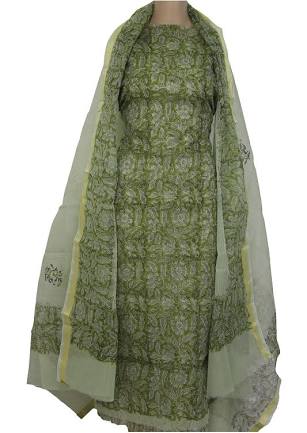
Fashion is always evolving, be it a week or a month it keeps changing.  With the change in the fashion landscape and the test of time, certain weaves stand unshakable, like the weave of chikankari. Delicate threads being woven into intricate patterns on soft cotton fabric is the art of chikankari. An ancient Indian art form, the chikankari is a testament to tradition, beauty, and skillful craftsmanship.


The embroidery is typically done in white thread, with intricate patterns and mesmerizing motifs that dance across the fabric. Chikankari kurtis are evergreen attires that have endless grace and charm. Apparel from Lucknow, India the chikankari kurti Is a symbol of timeless beauty and elegance.


Chikankari- An essential in every wardrobe
Whether it’s a casual day, party, or a formal occasion, the chikankari kurta effortlessly fits the bill.


Comfort and Elegance


If  you want to look elegant and also look for a comfort fit, kurta is the perfect match. And a chikankari kurti is an embodiment of all these fit conditions.


Since it is lightweight and airy on the fabric it is perfect for everyday wear, from running errands or even attending a formal meet.


Styling the Chikankari Kurta


Dupatta: Pairing the chikankari kurta with a chikankari palazzo and dupatta adds elegance making it perfect for a day out to shop or a quick hangout with friends.


Contemporary style:
Denim jacket and sneaker with a chikankari kurti will make you rock the contemporary look.


Accessories: The chikakari kurta is like a versatile canvas that can be styled with a choker, clutch, and statement Jhumki to elevate the style.


Footwear: Pairing your kurta with the right footwear hits the correct notch. If you want to rock the traditional look opt for Punjabi juttis, kolhapuris and if you want to rock the modern look go for flats or even sneakers.


The magic of layering


Layering can be carried out by styling it with a stole or a shrug. Layering adds to the indo-fusion look beautifully.


When browsing the Internet for authentic chikankari kurtis I stumbled upon the House Of Chikankari. This website is a treasure trove for lovers of exquisite hand-embroidered fashion. Founded by a mother-daughter duo Poonam and Akriti Rawal, the mission of the brand is to revive and preserve the art of chikankari. This is seen as each piece is precisely crafted by skilled artisans, ensuring authenticity and quality.


They have a wide range of kurtas, palazzos, and dupattas. Their range includes clothing for both men and women. Their range starts from 1000-10000.


I personally loved exploring the different celebrity collections- Mira Kapoor, Meher Taluja and Simran Sethi Bedi.


I ordered a mulmul straight short kurta in red from the Mira collection and a Zainab mulmul straight kurta. I was initially doubtful with respect to the sizes when I compared it with the size chart that was provided but I must say the fit was perfect once I tried them out.


I loved the packaging that encased the garment inside two layers—personally loved the little chikankari pouch and the card that listed the different stitches which was very informative. I also checked out their mobile app, which was an easy experience to make shopping smooth.


Chikankari kurtis are not just clothing but a celebration of elegance, beauty, and artistry.
K in Indian women fashion

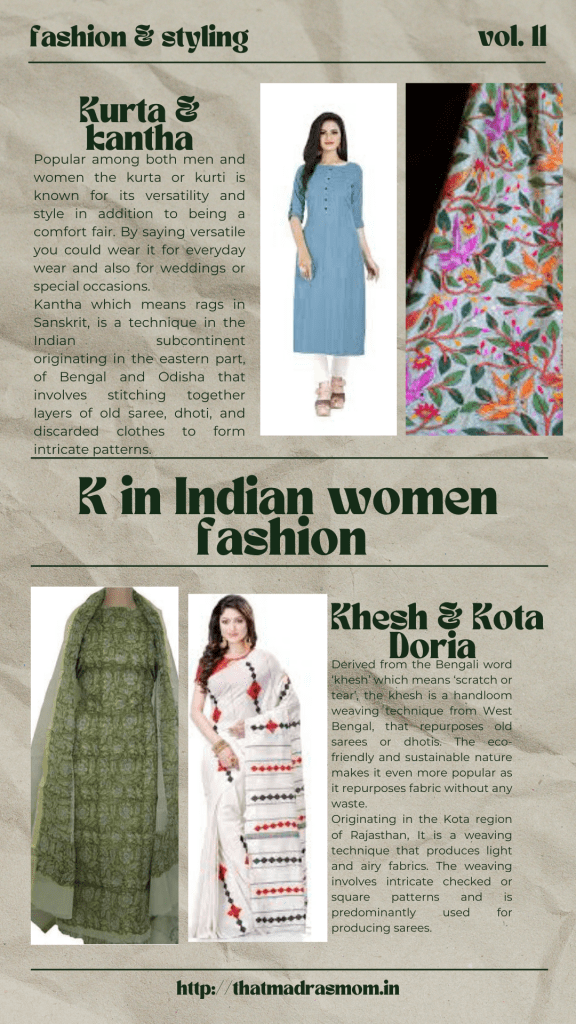
Let us look at trends in K. We have a lot of weaves in K that are popular among the masses even now.


Kurta/Kurti

Image source Amazon


Popular among both men and women the kurta or kurti is known for its versatility and style in addition to being a comfort fair. By saying versatile you could wear it for everyday wear and also for weddings or special occasions.


The kurta is long, loose-fitted, and has a length below the knee, the kurti is typically shorter and is usually till the knee or above it. They can be made in a variety of fabrics like cotton, silk, and chiffon. They can also have embellishments like embroidery, and sequins which adds more beauty.


Depending upon the occasion the garment can be dressed up or down. Say for everyday wear it can be paired with a jean, dhoti pants, or leggings, but for a wedding, it can be made grandeur with heavy embellishments and accessories.


The loose fit makes the garment airier and easier to move around making it one of the most sought-after comforts. It is also easy to be cared for like machine washing and hand or dry wash for expensive materials or work done on them.


A great way to depict Indian cultural heritage it can also be worn for religious occasions and marriages, the kurta/kurti is a symbol of Indian identity and pride. A worth-considering outfit known for its versatility, the kurta/kurti gains popularity even overseas.


Kantha weave

Image source Indiamart


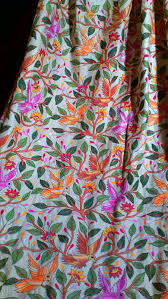
Kantha which means rags in Sanskrit, is a technique in the Indian subcontinent originating in the eastern part, of Bengal and Odisha that involves stitching together layers of old saree, dhoti, and discarded clothes to form intricate patterns. Could be considered as recycling old clothes into functional ones like cushions or quilts.


A technique that was traditionally practiced by the rural women, who would collect fabrics and turn them into functional household materials this was later adopted by skilled artisans to create beautiful garments. The product is rustic and elegant.


The versatility is a great advantage of this weave, be it for cushions, quilts, sarees, or salwar. The repurposing of old fabrics aids sustainability which is one more reason the weave is becoming much famous. The weave also helps support rural women’s communities.


Khesh

Image source Ajio


Derived from the Bengali word ‘khesh’ which means ‘scratch or tear’, the khesh is a handloom weaving technique from West Bengal, that repurposes old sarees or dhotis. The eco-friendly and sustainable nature makes it even more popular as it repurposes fabric without any waste.


The unique and colorful designs make it stand apart, a single color is used as warp, and strips from pre-used clothing woven as weft result in textured fabrics with vibrant colors.


It is time-consuming and laborious as the weaver needs to carefully select the pre-worn garment strips that would go well with the warp. The woven cloth is used to make furnishings like curtains and cushion covers and also sarees. Known for its vibrant colours and texture the weave is also making its way to the fashion industry where designers use this for upcoming projects.


Kota Doria

Image source Amazon


Originating in the Kota region of Rajasthan, It is a weaving technique that produces light and airy fabrics. The weaving involves intricate checked or square patterns and is predominantly used for producing sarees. It uses two yarns thick one called the warp and a thin one called the weft. The weft yarns are passed over and under the warp threads to form the square patterns.


The fabric is lightweight and breathable which is great for hot and humid weather. White, beige, and pastel are usual colors but with changing trends they are now available in different colors. It has a GI tag that makes it unique and authentic and it is made by traditional methods.

This post is part of #blogchatterA2Z 2023.