How to Handle Festive Laundry Without Losing Your Sparkle

Festive wear is all about shimmer, tradition, and celebration, but once the lights dim and the last laddoo is eaten, you’re left with a pile of delicate, embellished, and often expensive garments that need serious TLC. Whether it’s a silk saree, a sequined kurta, or a velvet lehenga, here’s your go-to guide for caring for festive laundry,before, during, and after the wash.

First and foremost check weather forecasts. Here in Chennai the weather was rainy for most days from Navratri till now, hence it took a really long time for me to plan the festive laundry. Now that we’re told that it would be bright and sunny for about ten days I decided to finish off this long pending load of laundry.


Pre-Wash Rituals: Handle with Heart


Before you even think of tossing your festive clothes into the washing machine, pause and prep:


Read the Label: Always check for washing instructions. Many festive fabrics require hand wash or dry cleaning.


Spot Check First: Identify areas with food stains, sweat marks, or makeup smudges. Use a gentle stain remover like Vanish or diluted white vinegar on a cotton swab.


Turn Inside Out: This protects embroidery, sequins, and delicate prints from friction and fading.


Use a Mesh Bag: If machine washing is allowed, place garments in a laundry mesh bag to reduce wear and tear.


Test for Color Bleed: Dab a wet cloth on a hidden part of the garment. If color transfers, wash separately or opt for dry cleaning.


Washing Tips: Gentle Yet Effective


Cold Water is Your Friend: Hot water can damage delicate fabrics and cause shrinkage.


Choose the Right Cycle: Use the “Delicate” or “Hand Wash” setting on your machine.


Limit Load Size: Don’t overcrowd the drum, festive wear needs space to breathe.


Avoid Harsh Scrubbing: For hand washing, gently swirl garments in water. Never wring or twist.

I’ve even made detergent choices much easier for you.

Best Detergents & Conditioners in Indian Markets


Here are some top-rated products that balance cleaning power with fabric care:


Detergents


Ariel Matic Liquid (Top Load)
Tough stains on machine-washable festive wear
Protects colors, dissolves easily

Surf Excel Matic (Front/Top Load)
Dried stains and delicate fabrics
Gentle yet powerful

Koparo Natural Liquid Detergent
Eco-friendly, chemical-free cleaning
Safe for kids, pets, and sensitive skin.


Fabric Conditioners


Comfort Fabric Conditioner
Softening and fragrance
Widely available, budget-friendly

Revive Liquid Stiffener
Restoring crispness to cottons and silks
Great for sarees and kurtas

Koparo Fabric Conditioner
Plant-based softness
Ideal for allergy-prone users

Post-Wash Care: Preserve the Magic


Air Dry in Shade: Direct sunlight can fade colors and weaken fabric.


Avoid Hangers for Heavy Garments: Lay flat to prevent stretching.


Steam, Don’t Iron: Use a garment steamer to smooth out wrinkles without damaging embellishments.


Store with Care: Wrap in muslin cloth and store in breathable bags with neem leaves or lavender sachets to repel insects.


Bonus Tip: Rotate & Reuse


Festive wear doesn’t have to be single-use. With proper care, you can mix and match pieces, restyle them creatively, and even lend them out. Sustainability starts with smart laundry!

This blog post is part of ‘Blogaberry Dazzle’
hosted by Cindy D’Silva and Noor Anand Chawla
in collaboration with Ratna Prabha.

How to Style Cotton Silk Pants: The Ultimate Guide to Effortless Elegance

If you are looking for comfort and elegance, then Cotton silk pants are a perfect blend , making them a versatile addition to any wardrobe. These pants can be styled in numerous ways to suit any event, whether you’re dressing up for a special occasion or keeping it casual. This post will be your ultimate guide to styling cotton silk pants and looking effortlessly chic.

1. Classic Casual

For a relaxed and casual look, pair your cotton silk pants with a simple cotton t-shirt or a basic tank top. Add some comfortable flats or sneakers, and you’re good to go. As a mom, this look is perfect for running errands or a casual day out with friends. This is my go-to look and my best pick in this styling guide.
Tip: Always choose a t-shirt in a contrasting color to make your pants stand out.

2. Boho Chic

A flowy blouse or a peasant top paired with the cotton silk pant will let you embrace a bohemian vibe. Chunky jewellery, like statement necklaces or bangles, will complete the bohemian look. Finish with a pair of strappy sandals or ankle boots.
Tip: Choose earthy tones and natural fabrics to enhance the boho look.

3. Office Ready

A fitted blouse or a crisp button-down shirt can be paired with cotton silk pants that can be dressed up for a professional setting. Add a blazer if you need an extra layer, or tuck it in for a polished look. Complete the outfit with classic pumps or loafers.
Tip: Stick to neutral colors like black, white, or navy for a sophisticated office look.

4. Evening Glam

Pair your cotton silk pants with a stylish silk or satin top, for a night out or a special occasion. Add some bling with statement earrings or a bold necklace. High heels will elevate the look, making you ready for any evening event.
Tip: Play with textures and patterns to create a visually interesting outfit.

5. Ethnic Elegance

Cotton silk pants can be seamlessly blended into ethnic outfits. Pair them with a kurta or a tunic for a traditional look. Add some jhumkas, bangles, and embellished juttis to complete the ensemble.

Tip: Experiment with vibrant colors and intricate patterns for a festive touch.

Image source: amrut

6. Layer It Up

Layering is a great way to add dimension to your outfit. Pair your cotton silk pants with a long cardigan, or a denim jacket. This look is perfect for transitional weather when you need an extra layer without feeling too bulky.
Tip: Mix and match different layers to find the combination that suits you best.

7. Monochrome Magic

Pair your cotton silk pants with a top in the same color family to create a sleek, monochromatic look. This style elongates your silhouette and gives you a sophisticated, put-together appearance. Add some delicate jewelry and minimalist shoes to complete the look.
Tip: Play with different shades and textures within the same color family to add depth to your outfit.

I’ve paired mine with contrast t-shirts. I love how I can effortlessly style these pants for casual and an ethnic look. They’re comfortable and easy to maintain as well. I purchased these from binks. They also have a good collection of ready to wear blouses, sarees and kurtas.

Image source get binks website

Final Thoughts

Cotton silk pants are a wardrobe staple that offers endless styling possibilities. Whether you’re aiming for a casual, bohemian, professional, or glamorous look, these pants can be effortlessly adapted to suit any occasion. Remember to choose accessories and footwear that complement your outfit and make you feel confident and comfortable. These pants are also inclusive in terms of sizes so make them a great choice of bottom wear for plus size women.

This blog post is part of ‘Blogaberry Dazzle’
hosted by Cindy D’Silva and Noor Anand Chawla
in collaboration with Dr. Preeti Chauhan.

The ultimate guide to styling tissue sarees -Elegance redefined

Tissue sarees are a testament to the timeless charm of Indian ethnic wear. Their shimmering fabric and delicate texture stand out as symbols of grace and sophistication. Whether you’re dressing up for a wedding, festival, or special occasion, here’s how you can style your tissue saree to make a dazzling impression.


Choosing the Right Tissue Saree


When it comes to tissue sarees, the fabric’s natural sheen plays a significant role in its appeal. Opt for shades that complement your skin tone and occasion. Classic gold and silver tissue sarees are versatile and can be paired with various blouse designs, while pastel shades and vibrant hues offer a contemporary twist. I chose mine with pastel shades and this saree was a love at first sight for me. We’ve seen Rekha, Sridevi, and Jhanvi Kapoor to Sobhita Dhulipala drape tissue sarees, so it is one type of saree that has been in style and there is one for every one of us.


Blouse Pairing


The blouse can make or break your saree look. For tissue sarees, consider the following blouse styles:
Embroidered Blouse: Adds a touch of glamour to your ensemble.
Silk Blouse: Complement the texture of the tissue saree beautifully.
Off-Shoulder Blouse: For a modern, stylish look.
Contrasting Colors: A bold contrast can make your saree pop.


Draping Styles


Experimenting with different draping styles can elevate your saree game. Here are a few styles to consider:


Nivi Style: The classic drape, is perfect for showcasing the saree’s natural flow.


Bengali Style: Adds a regal touch with its pleats and pallu drape.


Gujarati Style: Ideal for festive occasions, with the pallu draped in front.


Accessories


Accessorizing plays a crucial role in completing your look. Here are some tips:
Jewelry: Opt for traditional gold or silver jewellery, or go for statement pieces that match your saree’s color palette.


Bindi: A small, elegant bindi can enhance your traditional look.


Hair Accessories: Flowers, hairpins, and brooches can add charm to your hairstyle.


Footwear
Choose comfortable yet stylish footwear. Heels can add height and poise, while embellished flats or sandals can be both chic and practical.


Makeup and Hairstyle


Your makeup and hairstyle should complement the elegance of the tissue saree:
Makeup: Opt for a dewy, glowing look with a touch of shimmer on the eyes and bold lips.


Hairstyle: A classic bun, loose curls, or a braided updo can add sophistication to your overall appearance.


Confidence is Key


No matter how beautifully you style your tissue saree, the most important accessory you can wear is confidence. Stand tall, smile, and carry your outfit with grace and poise.
With these styling tips, you’re all set to make a stunning statement in your tissue saree. Whether you’re attending a wedding, a festive celebration, or a formal event, remember that your unique style and confidence are what truly make you shine.

This blog post is part of ‘Blogaberry Dazzle’
hosted by Cindy D’Silva and Noor Anand Chawla
in collaboration with Dr. Preeti Chauhan.

Navratri Golu: Celebrating Tradition, Family, and Culture Close to My Heart

Navratri Golu is a vibrant and cherished tradition in South India, especially in Tamilnadu. During the nine nights, families set up steps to showcase a multi-tiered display of dolls and figurines called Golu.
The depictions differ for each family as they could be scenes from daily life or Hindu mythology. Every evening, families offer foods such as pulses and sweets to the Golu as prasad and exchange greetings, gifts, and sweets. They sing devotional songs together and recite shlokas that give a divine vibe. Children and adults enjoy the creativity and craftsmanship involved in making these displays. Some of these dolls or figurines are carried across generations. There is a lot of happiness when you visit Golus at other houses to watch the type of dolls they’ve used in their displays. The nine days are dedicated to celebrating Goddess Durga in her different forms.


This is a good time to get together with family members and friends that foster community spirit and cultural heritage. There is a recent color code that started becoming a trend. Every year before Navratri a colour code is devised that lists out colours for each day.


Months before Navratri we take time to plan the food items to offer, dolls to display, the themes to decide, dresses to wear, and return gifts to give people who visit the house.


This trend of deciding what to wear as per the color code for the year impressed me much. In 2020, I started draping sarees as per the color code. This is a great way to wear sarees that have been lying around in the wardrobe. Restyle the sarees in different ways. My mother used to help me decide the sarees and choose what accessories that go with them.

2021, everything was all set for the golu that year from guest lists to sarees to drape, and what prasad to offer each day, but there came a big blow that we never expected. We lost mom to a sudden massive heart attack. My entire world came down shattered into pieces which I’d never knew I’d be able to build back again.

Collage of Navratri lookbook 2021
Collage of Navratri lookbook 2022
Collage of Navratri lookbook 2023
Collage of Navratri lookbook 2024


Days passed but I couldn’t gather myself, but I decided what I should do. I draped the sarees of my mom in memory of her. Every saree felt like a warm hug. Touchwood, till this year I’ve been draping sarees as per the color code each year. It gives me a sense of joy to celebrate what mom loved to do and how she would love to see me. Golu every year is so special to me, I carry forward the tradition from mom and would take it forward to the next.

This post is a part of ‘Feeling Festive Blog Hop’ hosted by Manali Desai and Sukaina Majeed .

This blog post is part of the blog challenge ‘Blogaberry Dazzle’
hosted by Cindy D’Silva and Noor Anand Chawla
in collaboration with Dr. Preeti Chauhan.

Unlocking elegance: The timeless charm of Chikankari kurtas

Fashion is always evolving, be it a week or a month it keeps changing.  With the change in the fashion landscape and the test of time, certain weaves stand unshakable, like the weave of chikankari. Delicate threads being woven into intricate patterns on soft cotton fabric is the art of chikankari. An ancient Indian art form, the chikankari is a testament to tradition, beauty, and skillful craftsmanship.


The embroidery is typically done in white thread, with intricate patterns and mesmerizing motifs that dance across the fabric. Chikankari kurtis are evergreen attires that have endless grace and charm. Apparel from Lucknow, India the chikankari kurti Is a symbol of timeless beauty and elegance.


Chikankari- An essential in every wardrobe
Whether it’s a casual day, party, or a formal occasion, the chikankari kurta effortlessly fits the bill.


Comfort and Elegance


If  you want to look elegant and also look for a comfort fit, kurta is the perfect match. And a chikankari kurti is an embodiment of all these fit conditions.


Since it is lightweight and airy on the fabric it is perfect for everyday wear, from running errands or even attending a formal meet.


Styling the Chikankari Kurta


Dupatta: Pairing the chikankari kurta with a chikankari palazzo and dupatta adds elegance making it perfect for a day out to shop or a quick hangout with friends.


Contemporary style:
Denim jacket and sneaker with a chikankari kurti will make you rock the contemporary look.


Accessories: The chikakari kurta is like a versatile canvas that can be styled with a choker, clutch, and statement Jhumki to elevate the style.


Footwear: Pairing your kurta with the right footwear hits the correct notch. If you want to rock the traditional look opt for Punjabi juttis, kolhapuris and if you want to rock the modern look go for flats or even sneakers.


The magic of layering


Layering can be carried out by styling it with a stole or a shrug. Layering adds to the indo-fusion look beautifully.


When browsing the Internet for authentic chikankari kurtis I stumbled upon the House Of Chikankari. This website is a treasure trove for lovers of exquisite hand-embroidered fashion. Founded by a mother-daughter duo Poonam and Akriti Rawal, the mission of the brand is to revive and preserve the art of chikankari. This is seen as each piece is precisely crafted by skilled artisans, ensuring authenticity and quality.


They have a wide range of kurtas, palazzos, and dupattas. Their range includes clothing for both men and women. Their range starts from 1000-10000.


I personally loved exploring the different celebrity collections- Mira Kapoor, Meher Taluja and Simran Sethi Bedi.


I ordered a mulmul straight short kurta in red from the Mira collection and a Zainab mulmul straight kurta. I was initially doubtful with respect to the sizes when I compared it with the size chart that was provided but I must say the fit was perfect once I tried them out.

I loved the packaging that encased the garment inside two layers—personally loved the little chikankari pouch and the card that listed the different stitches which was very informative. I also checked out their mobile app, which was an easy experience to make shopping smooth.


Chikankari kurtis are not just clothing but a celebration of elegance, beauty, and artistry.

Z in Indian women fashion

We have finally reached the end, does this mean the trends end here? No way. We already know that it keeps changing with time. But I know that you can find a lot of ideas from the posts here and give it your own twist and voila you may even bring out a trend sooner.
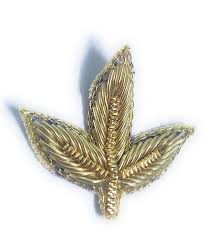
For Z we are going to be exploring zari. Wait does that even need an introduction here in India? No right. A type of thread that is either gold or silver wire which adorns traditional fabrics like sarees, lehengas, and dupattas, the zari is an integral part of the textile and fashion industry.

Image source Indiamart


A popular choice for traditional events like marriages and other religious occasions the zari adds a touch of elegance and opulence to the fabric making it appear rich and luxurious.
The Persian and Turkish artisans introduced the zari concept during the reign of the Mughal emperors. This art was refined during the Mughal era and perfected to be made into garments for royalty. The zari became an integral part of the attire for Royalty in the Mughal era.


Skilled artisans require precision and attention to detail when they work on this labour-intensive process of weaving the zari. The gold or the silver wire is twisted with cotton or silk making it durable and then being woven into the fabric to create embroideries and embellishments. It is then woven into patterns and motifs.


Zari adds a touch of luxury and elegance to the garment when it is used to create intricate patterns, designs, and motifs on sarees, lehenga, and traditional wear. A simple zari motif can make a normal-looking dress appear grand.


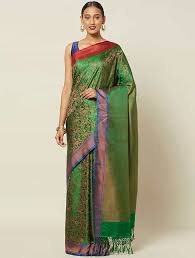
Banarasi zari is one of the popular forms of zari work. Banarasi saree has intricate zari works which make it one of the most luxurious sarees in the country. The banarasi saree with zari is one of the finest fabrics in India. Real gold or silver is used in the zari for Banrasi sarees and has intricate motifs, designs, and patterns for a grandeur look.

Image source Amazon


Zardosi embroidery is another popular form, where the zari thread is used along with beads and sequins. It is a painstaking process that requires a lot of patience and precision. Since it is handmade it takes a lot of time to complete a single piece of fabric, that depends on how complex the design is.

Image source Indiamart


Even today skilled artisans work tirelessly to create exquisite pieces with stunning designs and motifs which are the hallmark of the Indian fashion Industry.

This post is part of #blogchatterA2Z 2023.

Y in Indian women fashion

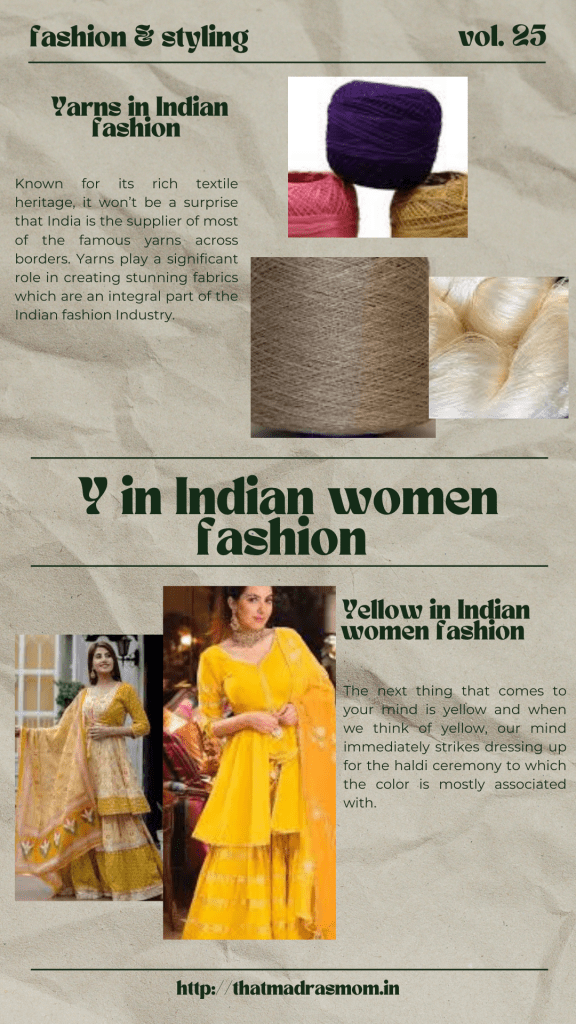
We are almost at the tail end of knowing about Indian women’s fashion trends from A-Z. We have covered everything from fabrics, weaves, techniques, and dresses and we now come to the most important element that forms the basis. Yes, we are talking about yarn. Let us look.

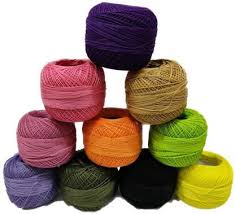
Known for its rich textile heritage, it won’t be a surprise that India is the supplier of most of the famous yarns across borders. Yarns play a significant role in creating stunning fabrics which are an integral part of the Indian fashion Industry.

Image source Flipkart


A widely used yarn is cotton known for its versatility and durability. From sarees to salwar kameez to even handkerchiefs, the fabric is sweat absorbent and is great for hot and humid climates. It is not only the most sought out in the country but also across the world for its softness and absorbing capability. The cotton yarn is a great choice to add vibrant colors to fabrics.

Image source Indiamart


Being one of the largest producers of silk and exquisite silk fabrics, India is famous worldwide for the quality of the silk yarn. From sarees, lehengas to most luxurious traditional garments silk is the most preferred fabric for its richness. The yarn is priced for its strength, sheen, and softness making it a great choice for special occasions like marriages.


Though India may not be a producer of wool, importing it to make sweaters, cardigans, and coats. A lot of women took to the art of knitting and is widely popular across the states.

Image source Indiamart


A lightweight breathable fabric is linen that is now becoming popular. Great for everyday wear in tropical regions where the climate is hot and humid, linen is a popular yarn used in the fashion industry.


When it comes to bags and footwear, which are accessories, jute is a widely used natural fabric that is sustainable, robust, and durable. It gives a unique and earthy texture to the products and is also eco-friendly.


As time passes and trends evolve, yarns that are recycled and sustainable like bamboo and hemp are also used because they are environment friendly and play their part in reducing the carbon footprint of the Indian Fashion Industry.


The next thing that comes to your mind is yellow and when we think of yellow, our mind immediately strikes dressing up for the haldi ceremony to which the color is mostly associated with.


Here are a couple of yellow outfit ideas for the next haldi ceremony that you want to attend.

Image source Myntra
  • A yellow mirrorwork lehenga in raw silk goes perfectly great for haldi ceremony.
  • An asymmetrical yellow dress is great as an Indo-western outfit for haldi ceremony.
  • A yellow and green lehenga with mirror work and a light tinge of pink here and there is a great choice.
  • A plain yellow saree with a bright-colored half-sleeve blouse.
  • A yellow cotton saree with a bright orange bandhni blouse.
  • A layered yellow skirt, embroidered blouse, and lots of accessories.
  • A monotone yellow skirt with a blue blouse.
  • A yellow skirt and neon green blouse is sure to rock the party.
  • A yellow saree with minimal gota patti work.
  • A complete yellow lehenga heavily embellished with beads, stones, and exquisite embroidery.


Yellow cannot only be styled for haldi but also for other wedding festivities.

Image source meesho
  • A yellow lehenga with a net dupatta for the cocktail party is a great outfit option.
  • A yellow silk kurta with a matching skirt and dupatta is just awesome.
  • A ruffle saree in yellow with a statement blouse is great for the wedding.
  • A yellow Anarkali can be worn as a gown for an engagement or even a cocktail party.
  • A simple saree with a gold border and a heavy blouse aress great for cocktail parties.

A cheerful color yellow is sure to make heads turn if you style it alone or even with vibrant combinations.

This post is part of #blogchatterA2Z 2023.

V in Indian women fashion

Timeless elegance and modern sensibilities are the fusion element in Indian women’s fashion. Indian women’s fashion has evolved over the history of 1000 years and is still adapting to the changes keeping its uniqueness.


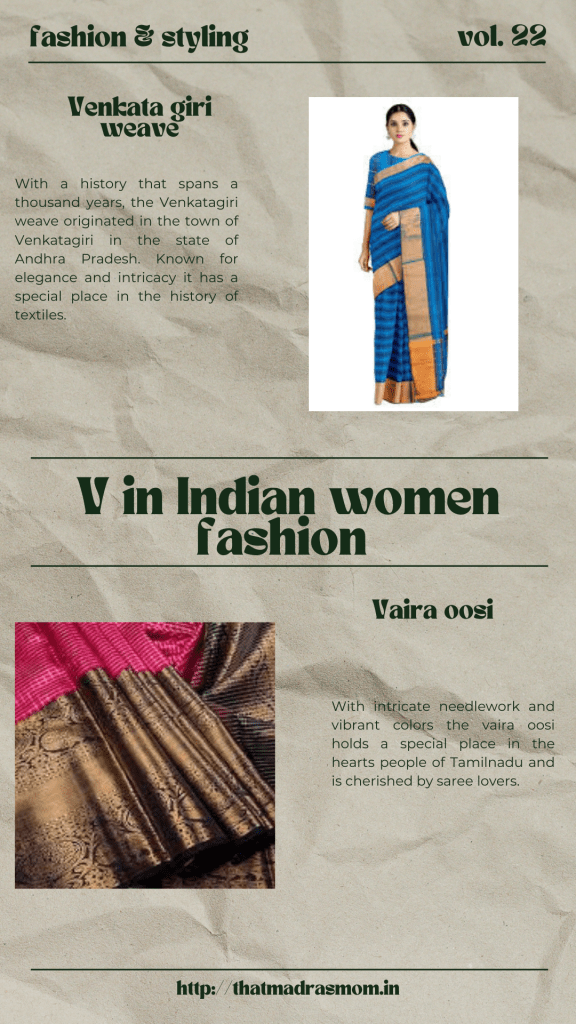
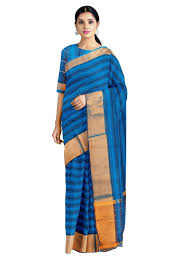
Venkatagiri weave

Image source The Chennai silks


With a history that spans a thousand years, the Venkatagiri weave originated in the town of Venkatagiri in the state of Andhra Pradesh. Known for elegance and intricacy it has a special place in the history of textiles. It continues to thrive as a symbol of cultural heritage and is also loved by connoisseurs of handloom.


The fine cotton threads are woven with unique precision which is the beauty of the weave. A blueprint is initially made with a design chart which is transferred to the loom and which is woven into the fabric with cotton threads. The jamdani technique of weaving being adapted to make little motifs is the highlight here. These small motifs are done by hand mechanically and require a lot of precision with gold or silver threads which add more beauty to this weave.


The history can be traced back to the 18th century to the reign of the Venkatagiri Nayakas who were the local rulers at the time. The weavers were encouraged to weave intricate pieces for the royal court and it was a symbol of wealth and status as it became popular with the aristocratic group. It is recognized with the Geographical indication tag by the Government for its authenticity.


Vaira oosi

Image source The Palam silks


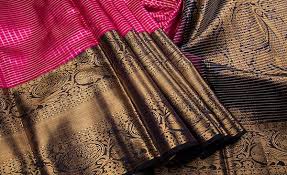
With intricate needlework and vibrant colors the vaira oosi holds a special place in the hearts people of Tamilnadu and is cherished by saree lovers. The precise intricate needlework that resembles the diamond needle brought the artwork the name, vaira oosi which literally means diamond needle.
It is mainly done on cotton and silks and the shine it brings out when light falls on the fabric is mind blowing.

This post is part of #blogchatterA2Z 2023.

U in Indian women fashion

The Indian women’s fashion trend depends on weaves and garments and how women carried themselves. Women in films whom I would say were the first role models we look up to even today for fashion inspiration. Though at times like today, we have social media at our fingertips, when we refer to a trend, we most often mention the name of the celebrity who sported it.


Urmila Matondkar


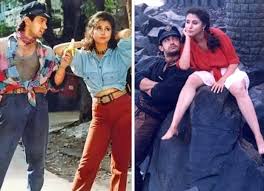
The ‘Rangeela’ girl as we know her made all of us even women who went in awe looking at her on screen. Be it her beauty or hair, the costumes she wore had a lot to speak about. Manish Malhotra, the designer also mentioned that there were copies of her costumes post that movie on every street. The movie that made him win the Designer of the Year award. Her designs in the movie ushered in fashion trends and became a style statement.


The peplum skirt, knotted tops, black saree, and red leggings were an instant hit among the womenfolk of the country. Her smart casuals looked very glamorous and became a trendsetter. Her gharchola and the bandhani in the song made the weave much more famous and preferred for the ghaghra. Her tangerine skater skirts, the pleated skirts were such a hit. Though it is nearly 28 years since the movie was released, the trends she set are still timeless and are great fashion inspiration for a confident woman.


Uppada

Image source Karagiri


Tracing back its origin to the 18th century, when the country was ruled over by the East India Company, the weave is from the Uppada town in Andhra Pradesh. A traditional handloom technique is known for its intricate designs and fine texture; the weave is a testimony to skilled craftsmen.


The Weaver population from Uppada migrated to Peddapuram where they happened to learn the weave of Jamdani from the Bengali weavers. They incorporated their techniques into jamdani which brought out a new weave called the Uppada. It is lightweight and the sheer texture gives a grandeur look and is most sought after for making traditional garments.


The weavers take great pride in their artistry which is time-consuming, complicated, and labor-intensive. A diverse range of patterns with motifs that include nature and geometric designs in vibrant colors make the weave unique. Gold and silver zari threads are used for extra richness to the woven fabric. The intricate designs and elaborate borders on the pallu are the highlight of the uppada weave. The metallic thread in the body adds grandeur to the fabric.


Another unique feature is the texture of this weave which is lustrous and has a sheen which is because the warp is made of pure mulberry silk and the weft is a combination of silk and cotton that is responsible for the shine.
The uppada weave has received the GI tag from the Government for its uniqueness and authenticity which is another reason for its boost in the global retail market. It is a weave that is cherished by the connoisseurs of handloom textiles and is even passed through generations as an heirloom.

This post is part of #blogchatterA2Z 2023.

T in Indian women fashion

From vibrant, colorful lehengas to elegant sarees, and trendy kurtas, Indian women’s fashion caters to every occasion and taste. Indian women’s fashion is a cultural phenomenon celebrated across the world and not just only a source of our national pride.


Tanchoi

Image source Jaypore.in


Tracing back its origin to Varanasi in the 19th century the tanchoi weave was introduced by the Persians who migrated during the period of emperor Akbar. Luxurious silk fabric is known for its distinct weave and ornate designs that are rich. It is a favored choice among the royals for its look and feels.
The floating warp technique is used to weave on satin. There is an intricate embroidery of patterns and motifs with colorful silk threads. A labor-intensive and time-consuming art, the tanchoi weave is a meticulous process that requires a lot of patience and skill.


The motifs in the intricate designs are inspired by nature, mythology, and folklore. The symmetry, boldness, and precision are evident in the intricate patterns that are woven. The hues and shades are usually contrasting with zari and meenakari embellishments. Dyed with a wide range of colors like jewel tones, earthy tones, and pastel shades the tanchoi is mesmerizing. This unparalleled beauty is a masterpiece of Indian textile art.


Tangaliya

Image source itokri


Tracing its origin back to the Dang region in the western state of Gujarat, the tangaliya is known for its vibrant colors and unique motifs. The tangaliya was practiced by the Bhil tribe from the region who were known for their weaving skills. Known for its bright colors like oranges, red, green, blue, and yellow from natural dyes the resulting fabric is stunning and depicts the cultural ethos of Gujarat.


Telia rumal

Image source mirraw


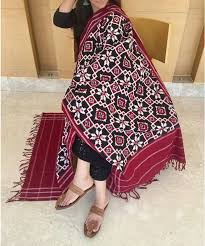
Tracing the origin back to the 16th century during the reign of Qutub shahi dynasty in Telangana, the telia rumal or putta rumal is a tie and dye technique known for its vibrant colors. The fabric is woven in a pit loom using the resist dyeing technique known for bright colors that are derived from natural sources like pomegranate peels, turmeric, indigo, and madder.


The telia rumal apart from being a cultural recognition has also found its place in contemporary fashion that it is used in making shawls, stoles, and scarves.

This post is part of #blogchatterA2Z 2023.