
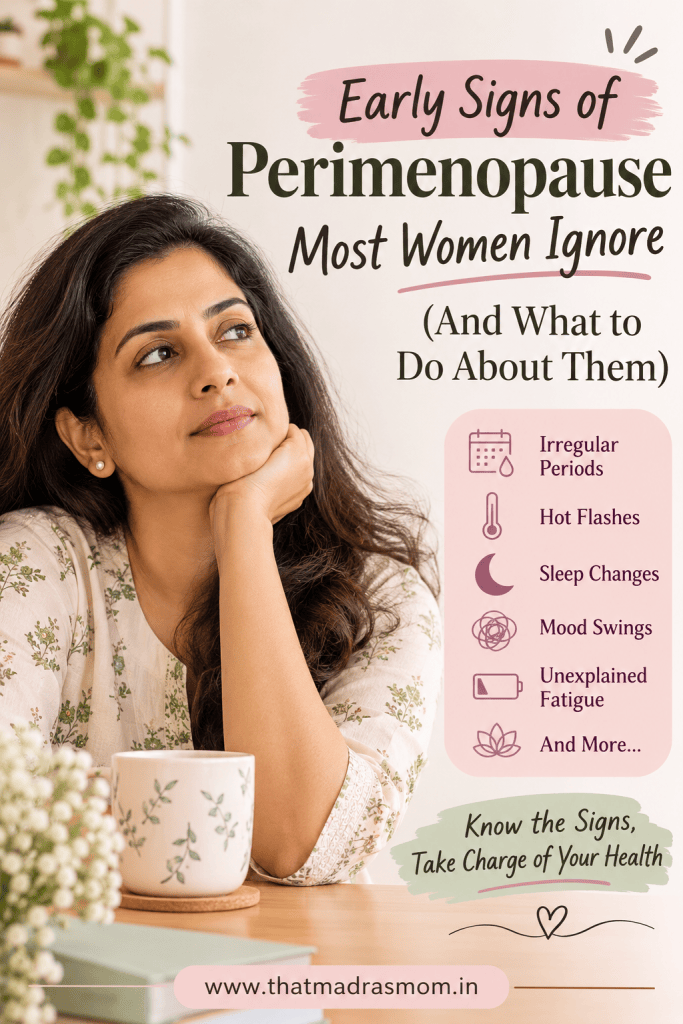
Have you been feeling unusually tired, struggling with unexplained mood swings, or noticing changes in your menstrual cycle? If you’re in your late 30s or 40s, these changes may not just be a result of stress or aging. They could be early signs of perimenopause.
Perimenopause is the transitional phase leading up to menopause. During this time, the body’s hormone levels, particularly estrogen and progesterone, begin to fluctuate. This phase can last several years, and many women experience symptoms long before their periods stop completely.
Unfortunately, many early signs are often overlooked or misdiagnosed. Understanding them can help you take charge of your health and well-being.
What Is Perimenopause?
Perimenopause literally means “around menopause.” It is the period when the ovaries gradually produce less estrogen. While menopause is officially diagnosed after 12 consecutive months without a menstrual period, perimenopause can begin years earlier.
For some women, it starts in their late 30s, while for others it begins in their 40s.
Early Signs of Perimenopause Most Women Ignore
1. Changes in Your Menstrual Cycle
One of the earliest indicators is a change in period patterns.
You may notice:
Shorter or longer cycles
Heavier or lighter bleeding
Skipped periods
Spotting between cycles
Many women assume these changes are caused by stress or lifestyle factors, when fluctuating hormones may be the real reason.
2. Sudden Mood Swings
Feeling emotionally overwhelmed without an obvious reason?
Hormonal fluctuations can influence brain chemicals that regulate mood. You may experience:
Irritability
Anxiety
Increased sensitivity
Unexpected sadness
If you’ve noticed your emotional responses feel different from what is normal for you, perimenopause could be a factor.
3. Persistent Fatigue
Feeling exhausted despite getting enough sleep is another commonly ignored symptom.
Hormonal changes can impact energy levels and make everyday tasks feel more demanding. Many women blame work stress, parenting responsibilities, or a packed schedule without realizing hormones may be contributing.
4. Difficulty Sleeping
You fall asleep easily but wake up at 3 a.m. every night.
Sound familiar?
Perimenopause can disrupt sleep quality, leading to:
Frequent nighttime waking
Insomnia
Restless sleep
Early morning awakenings
Poor sleep can also worsen fatigue and mood changes, creating a frustrating cycle.
5. Brain Fog and Forgetfulness
Many women report feeling less focused than usual.
Common experiences include:
Forgetting appointments
Losing track of conversations
Difficulty concentrating
Reduced productivity
Brain fog is a real symptom and can be linked to hormonal fluctuations during perimenopause.
6. Unexplained Weight Gain
Have your usual diet and exercise habits stopped working?
Many women notice weight gain around the abdomen during perimenopause. Hormonal shifts, reduced muscle mass, stress, and changes in metabolism can all contribute.
7. Increased Stress Sensitivity
Situations that once felt manageable may suddenly seem overwhelming.
You may notice:
Feeling more anxious
Reduced ability to cope with stress
Increased emotional exhaustion
Hormonal changes can affect how the body responds to stress, making self-care more important than ever.
8. Changes in Skin and Hair
Many women focus on skincare products without realizing hormonal changes may be affecting their appearance.
Signs may include:
Dry skin
Increased sensitivity
Acne breakouts
Hair thinning
Dull complexion
A decline in estrogen can influence collagen production and skin hydration.
9. Reduced Libido
A decrease in sexual desire is another symptom many women hesitate to discuss.
Hormonal fluctuations, fatigue, stress, and sleep disturbances can all impact libido during perimenopause.
10. Hot Flashes and Night Sweats
Although often associated with menopause, some women experience hot flashes years earlier.
Symptoms may include:
Sudden feelings of heat
Excessive sweating
Flushed skin
Night sweats that disrupt sleep
These symptoms can vary in frequency and intensity.
How to Support Your Body During Perimenopause
While perimenopause is a natural life stage, healthy habits can help reduce symptoms.
Prioritize Strength Training
Building muscle supports metabolism, bone health, and healthy aging.
Eat a Balanced Diet
Focus on:
Lean protein
Fruits and vegetables
Whole grains
Calcium-rich foods
Healthy fats
Manage Stress
Simple practices such as yoga, meditation, journaling, or daily walks can help support emotional well-being.
Get Quality Sleep
Maintain a consistent bedtime routine and reduce screen time before bed.
Consider Speaking to a Healthcare Professional
If symptoms are affecting your quality of life, consult a qualified healthcare provider for personalized guidance.
Perimenopause is not a disease. It is a natural transition that every woman experiences differently. The challenge is that many of its earliest signs are mistaken for stress, aging, or a busy lifestyle.
By recognizing these symptoms early, you can make informed choices about your health, seek appropriate support, and approach this stage of life with confidence.
Remember: your body isn’t failing you. It’s changing, and understanding those changes is the first step toward thriving through them.
This blog post is part of ‘Blogaberry Dazzle’ hosted by Cindy D’Silva and Noor Anand Chawla in collaboration with Sameeksha Reads.

