Creative Ways Moms Can Engage Kids Post-Exams During Holidays

School exams can be a whirlwind of stress and study for kids, and when holidays roll around, it’s a golden opportunity for relaxation, fun, and creativity. Mothers can use this time to not only unwind but also foster exploration, learning, and bonding.

Here are some delightful and engaging ways to make the most of the post-exam holidays:


1. Start a Mini Project

Get creative with projects that kids can truly immerse themselves in. From DIY crafts to building models, they can:

  • Design and create a family photo scrapbook.
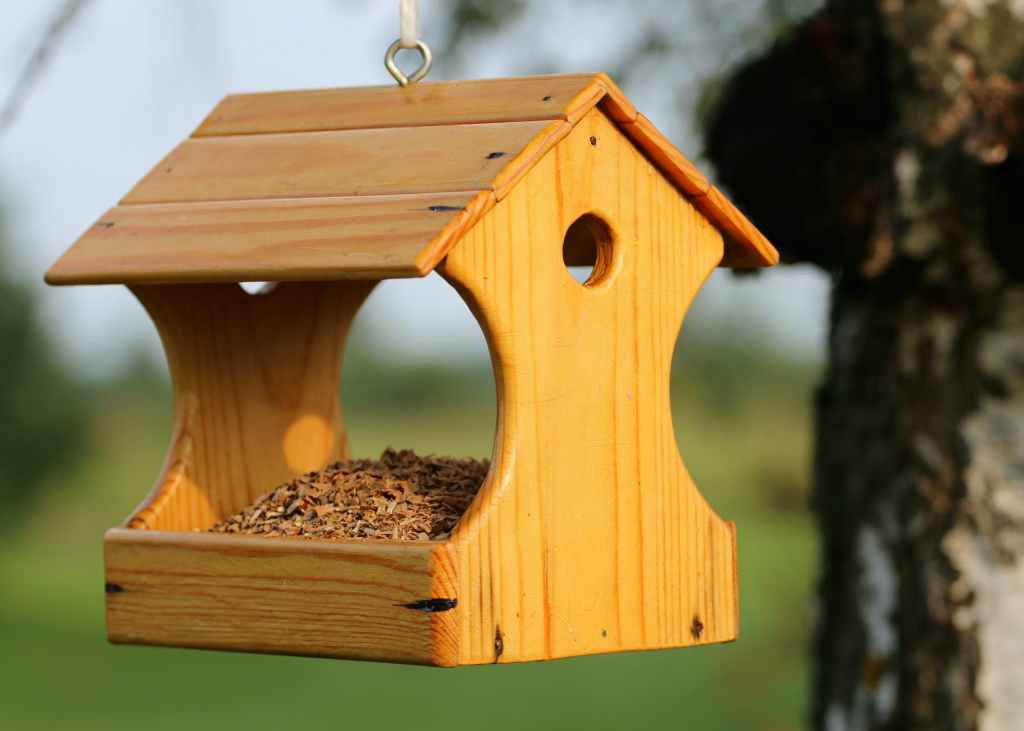
  • Build a birdhouse or garden trellis.
  • Make homemade soap or candles to gift family members.


2. Host a Theme Week


Each day of the week revolves around a different theme:

  • Science Monday: Experiment with simple physics or chemistry projects (like making slime or mini volcanoes).
  • Foodie Tuesday: Cook a new dish or bake together.
  • Adventure Friday: Plan treasure hunts or backyard camping experiences.These themes add excitement to routine activities and give kids something to look forward to!
  • These themes add excitement to routine activities and give kids something to look forward to!


3. Explore Local Gems


Dive into the unexplored corners of your city or neighbourhood. Take them to:

  • Local museums or art galleries.
  • Nature trails or botanical gardens.
  • Heritage sites or quirky cafes.


These outings are enriching and often leave children with fascinating tales to share! Let them plan the day and meals to pack.


4. Unleash the Artist in Them


Provide materials like paints, coloured paper, and clay, and let them express their imagination. Ideas include:

  • Painting murals on walls or old pieces of furniture.
  • Writing short stories or poems based on their holiday experiences.
  • Creating jewellery or trinkets to wear or gift. A lot of kits are now available online that have materials and designs for kids to start learning.


5. Organize a Skill Swap with Friends


Invite other mothers and their kids for a fun day where everyone shares a skill. For example:

  • One child teaches origami.
  • Another demonstrates basic dance steps.
  • Mothers can also join in, sharing their cooking, knitting, or crafting skills.


It’s collaborative, educational, and perfect for boosting their social skills.


6. Plan a Charity Drive


Engage kids in activities with purpose by organizing:

  • A donation drive of clothes, toys, or books for local shelters.
  • Volunteer sessions where kids can visit animal shelters or orphanages.
  • Crafting items to sell at a garage sale, donating proceeds to charity.


Teaching kids the value of giving back instils empathy and a sense of community.


7. Dive into Digital Learning


While screen time should be monitored, plenty of educational apps and platforms offer fun, interactive learning experiences:

  • Try to learn coding online or through applications available.
  • Explore online music lessons or creative writing workshops.
  • Watch documentaries or virtual tours of famous landmarks worldwide.


8. Bond Through Cooking and Gardening


Get hands-on with activities that create lasting memories:

  • Cook a new recipe together every week—let kids measure, mix, and garnish. Baking is a great way for them to start cooking.
  • Start a small garden where they can plant and take care of flowers, herbs, or vegetables.


It’s a wonderful mix of fun and responsibility!


9. Challenge Them with Fun Competitions


Friendly challenges can keep their minds active:

  • Solve puzzles, riddles, or crosswords.
  • Organize mini sports tournaments in the community.
  • Set up LEGO-building contests with prizes for the most creative structure.


10. Reflect and Celebrate


Wrap up the holidays with a reflective activity where kids can:

  • Journal their favourite moments.
  • Create a “holiday achievements” display (like a chart of skills learned or places visited).
  • Plan a small party or get-together to celebrate their new milestones.

Holidays after exams are a chance for kids to relax and recharge, but they also offer endless opportunities for mothers to nurture creativity, curiosity, and connection. Whether through hands-on projects or exploring new experiences, this time can be as rewarding for mothers as it is for their children.

This blog post is part of ‘Blogaberry Dazzle’
hosted by Cindy D’Silva and Noor Anand Chawla.

Ways to teach nature conservation to kids

Nature is a vast subject to talk about. Who doesn’t love nature? Age is no bar to talk or to experience the magic of what nature holds to show us.

Kids are no exception. In fact, they show interest in involving themselves close to nature. Quite often this is restricted keeping in mind the safety and hygiene. But why not? How else would they learn to experience or cherish nature’s gift.

But as years pass by and the way the earth is dealing with global warming, it is certainly alarming that would future generations have something left to enjoy. Carbon footprint, greenhouse gas emissions though have been brought to significant reduction through awareness in various media channels, the damage that was done before cannot be reversed and we would have to deal with it.

So when we introduce kids to nature or bring in the concept of nature play, it is also our duty to let them know about nature conservation.

This being the month having the world nature conservation day, it is one of the best times to start teaching about nature to kids if you still haven’t begun.

Nature conservation day is celebrated to stress the importance of preserving natural resources and to spread awareness about the conservation of nature. Working towards building a sustainable environment is very much essential to ensure the well-being of the future generations.

There are a lot of ways to teach about nature conservation. When you do it with activities it makes the learning even more interesting.Here’s where to begin with.

Exploring the garden

A walk in your backyard or in the garden definitely fascinates kids. The insects, crawling beings, plants definitely increases their curiosity. Have you noticed this behavior in your toddler ? It is also a form of learning. You can take this opportunity to explain about the various types of insects in the backyard or garden and their way of life.

If your child is old enough, you could even play a game identifying them and make note of it as a record.

DIY bird feeder

With online shopping we end up with a lot of cardboard boxes. Making a bird feeder with them, by simply giving it a makeover is a great activity to engage toddlers. They could make the cuts for opening, and paint it with bright colours go attract birds. Filling the feeder with grains using spoon also is a good activity that would improve their motor skills.

Growing plants and making composts

Children love go watch things that bring out magical changes. Say the development of plant from seed. Try growing Microgreens in your balcony or kitchen garden. They’re easy to start with. Click here to know more about Microgreens.

Using chemical fertilizers to boost yield definitely will harm mother earth and will have adverse effects for future generations. Click here to know what are the harmful effects and how can you help in lessening the damage.

Making your own compost is a great alternative to harmful chemical fertilizers. All you need is a pot, soil and some peels from kitchen. The process is very simple and is a great activity that makes kids environmentally responsible human beings. Teach them about growing plants using own compost, I’m sure they will never say no.

DIY planters

So when I say teaching them to grow plants, did you also realize we already have the planters at home too. I’m sure most of us use coconut in cooking. The shells make great planters making it a more sustainable option and also an additional home decor.

Use old tyres or coconut shells. Involve the kids in painting and tying the strings to hand. You now have an activity for quiet play.

Nature walk

If you have a safe trail or a place to hike, you could take them out on a nature walk. That is all the more beneficial to make them apply what you taught them at home.

The different terrains, climatic changes, availability of resources and life during the change of place is definitely a much needed lesson for them in life.

Tips to teach them conservation

  • Be a role model. A picture is worth a thousand words. They see you doing it, they model it too. So make sure you first incorporate conservation, before teaching them.
  • Introducing concept of reduce, reuse and recycle. Start from home and you can see them applying it outside.
  • Turning off water while brushing and bathing. Children must understand that water isn’t available always and needs to be saved.
  • Involving them in making garden compost.
  • Using their help to segregate trash as in which and which is not recyclable.
  • Turning off lights while leaving the room.
  • Giveaway toys, clothes and resources that are not in use.
  • Involving them in beach clean up if they are old enough.
  • Teaching them to respect nature alongside if they’re being taught to respect human beings.

Teach children to have a bold and a beautiful environment. Help them to make choice to live, play and work in a way that doesn’t harm nature.

‘This post is part of #CauseAChatter with Blogchatter’.

COPYRIGHT NOTICE –
@Sindhu Vinod Narayan. Unauthorized use and/or duplication of this material without express and written permission from this site’s author and/or owner is strictly prohibited. Excerpts and links used, provided that full and clear credit is given to Sindhu Vinod Narayan (Thatmadrasmom) with the right and specific direction to the original content.