
Disability and Inclusivity: Paving the Way for a More Equitable Society

We live in a world that strives for equality and justice. The conversation around disability and inclusivity is more crucial than ever. Whether visible or invisible, disabilities can pose challenges, but with the right support and inclusive practices, people with disabilities can lead fulfilling, empowered lives. Here’s how inclusivity paves the way for a more equitable society and why it’s essential.


Understanding Disability


Generally, when you say disability, it is an umbrella term that encompasses a range of physical, sensory, cognitive, and emotional conditions. It affects millions of people worldwide, each with their unique experiences and needs. This diversity being recognized within the disabled community is where the first step lies in fostering inclusivity.


The Importance of Inclusivity


When you create an environment, keeping in mind where everyone, regardless of their abilities, can participate fully and equally in all aspects of society that is termed as being inclusive  This will involve removing the barriers, be they physical, social, or attitudinal, and hinders the participation of people with disabilities. Here’s why inclusivity matters:


1. Human Rights and Dignity


Every person deserves to live with dignity and respect. Ensuring inclusivity for people with disabilities is the fundamental aspect of upholding their human rights. This will affirm their value and worth as individuals.


2. Fostering Empathy and Understanding


Inclusivity fosters empathy and understanding. When people with disabilities are included in all areas of life, it promotes awareness and reduces stigma and misconceptions about disabilities.


3. Building Stronger Communities


Inclusive communities are stronger and more cohesive. When everyone can participate, we build a sense of belonging and mutual support, which enriches our social fabric.


4. Economic Benefits


Inclusivity also makes economic sense. By providing equal opportunities for people with disabilities to contribute to the workforce, we harness their potential, drive productivity, and stimulate economic growth.


How to Promote Inclusivity


Promoting inclusivity requires concerted effort and commitment from individuals, organizations, and governments. Here are some practical steps to pave the way for a more inclusive society:


1. Education and Awareness


Raising awareness about disabilities and the importance of inclusivity is vital. Educational programs and campaigns can help dispel myths, reduce stigma, and promote understanding.


2. Accessible Environments


Ensuring that public spaces, workplaces, and educational institutions are accessible is fundamental. This includes providing ramps, elevators, tactile paths, accessible restrooms, and other necessary accommodations.


3. Inclusive Policies


Governments and organizations must implement policies that promote inclusivity. This includes anti-discrimination laws, employment quotas, and support services that empower people with disabilities.


4. Community Engagement


Engaging with people with disabilities and including them in decision-making processes ensures that their voices are heard and their needs are met. This collaborative approach fosters a sense of ownership and empowerment.


5. Support Services


Providing support services such as sign language interpreters, assistive technologies, and personalized support plans can help people with disabilities navigate their daily lives more independently.


Celebrating Achievements


It’s also important to celebrate the achievements and contributions of people with disabilities. Highlighting success stories and role models in various fields can inspire others and challenge stereotypes. Whether it’s in sports, arts, science, or business, recognizing the accomplishments of people with disabilities showcases their abilities and potential.


Conclusion


Inclusivity for people with disabilities is not just about making accommodations; it’s about creating a culture of respect, empathy, and equal opportunity. By embracing inclusivity, we can build a world where everyone, regardless of their abilities, can thrive and contribute meaningfully to society. Let’s work together to break down barriers and celebrate the diverse and vibrant community of people with disabilities.

This post is a part of the International Day of Persons with Disability blog hop hosted by Sakshi Varma – Tripleamommy. Access all posts of #IDPD2024Bloghop here.

This blog post is part of ‘Blogaberry Dazzle’
hosted by Cindy D’Silva and Noor Anand Chawla.

Image source pexels.
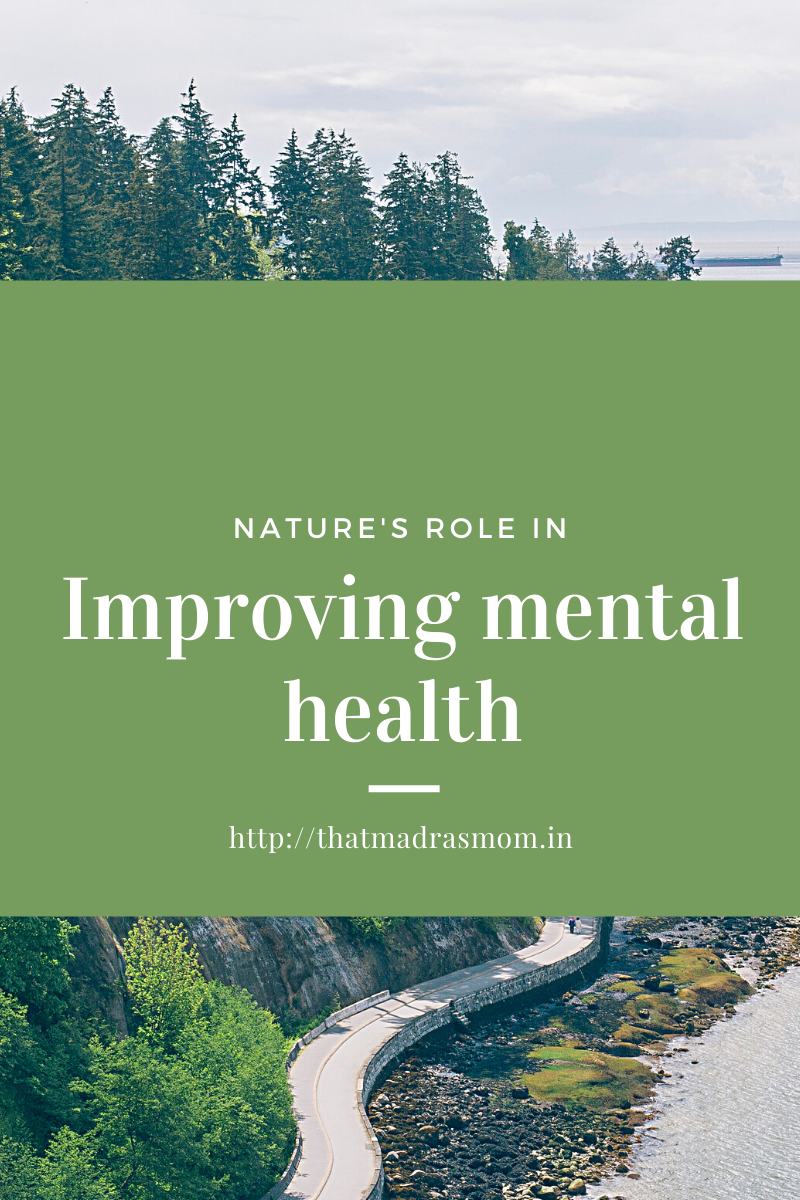
Nature’s role in healing mental health

Nature can play a major role to leave a profound effect or impact on our brain. This in turn influences our behaviour helping us to alleviate stress and anxiety. Increase in attention , creative thinking and social connections are also being observed as nature’s touch to leeaad a good mental health. We’re still in the beginning stage to find more and more evidences to prove the above.

Nature helps to heal

Spending time in a greener and nature dense environment had its effects on improving self-esteem and alleviating depressive symptoms on those suffering from mental health issues.

Not only improvisation of mental health but also significant progres in physical well-being, reduction in muscle tension, heart rate and blood pressure is also observed to be some of the benefits to indulge in nature therapy.

The multiple incoming sensory signals is caused by soothing effect of nature. Lush greenery, mild natural sounds and nice fragrance also have their place in contributing to good mental health. The sight of flowers or even the scent of roses can leave a relaxed effect.

There are numerous ways to enjoy nature right from the comfort of your home. Tending a garden, working from the outdoors, meditation outdoors than doing them inside is a great change. Working or doing your daily tasks with natural light from the sun and sky is also a great way to enjoy nature indoors.

The sight of an unpleasant environment on the other hand can reverse the healing effect. Regardless of age people find nature to be soothing and pleasing. ‘ Healing Gardens ‘ is a book that cites over two-thirds of people choose natural sights to resort to when being stressed.

A recent research also proves that having a small plant indoors in offices, hospitals and at work or school can have an lessening effect on stress and anxiety.

Nature’s help in soothing

In addition to above effects of nature to heal we often resort to nature when experiencing pain and discomfort.

Our bodies are genetically engineered to look out for trees, water and natural elements and when we absorb the natural scenes we get distracted from pain and discomfort.

This was evidently seen when two sets of people post surgery where made to stay in rooms facing trees and the other group facing wall. It was fascinating to know people who see natural scenary showed better pain management than people who were made to see the wall.

Nature helps in restoring

Nature also helps to aid better general wellbeing. Almost 95% of people would assure that they felt relieved from being depressed or stressed after spending time outdoors. It also helps calm anxious mind keeping it more balanced.When you’re in a positive mood and good psychological well-being it in turn improves vitality and meaningfulness.
The ability to stay more focused or pay attention also improves when we spend time looking at nature. Nature is inherently interesting to us humans that we tend to focus naturally on what we are currently experiencing. So this serves to calm down the overactive mind and keep it refreshed for the upcoming tasks.

Research also shows that children with ADHD shower improved attention span after spending time in nature.

Nature helps in making connections


When people spend time in nature it helps them connect to one another and also to the world outside.It is also said that people who surrounded their houses with trees and greenery ended up knowing more people,have more concern with helping out each other and have strong sense of belonging than tenants who do not have trees around. They also have increased feelings unity towards their neighbours.


These people show better capacity to deal with life demands ,less violence and aggression between domestic partners.

When brain activity during nature exposure is studied it was evident that the parts of brain that are associated with empathy and love lit up and it ignited the fear and anxiety in urban scenaries.

Deadly screen time

Too much of time spent before screens lacking time to enjoy nature is said to increase depressive symptoms and isolation. In the worst case it can also lead to loss of empathy and altruism.

Nurture children with nature

So it is advisable if we bring up the younger generation to spend very less time in front of the screen and to engage with nature. They could take a walk around the block, read by the window or play outdoor games.

This post is part of blogchatter’s #causeachatter.